HCID 44816597, compound → Ethyl 2-hydroxy-4-[(phenylmethyl)amino]bicyclo[2.2.2]octane-1-carboxylate
Reaction equation

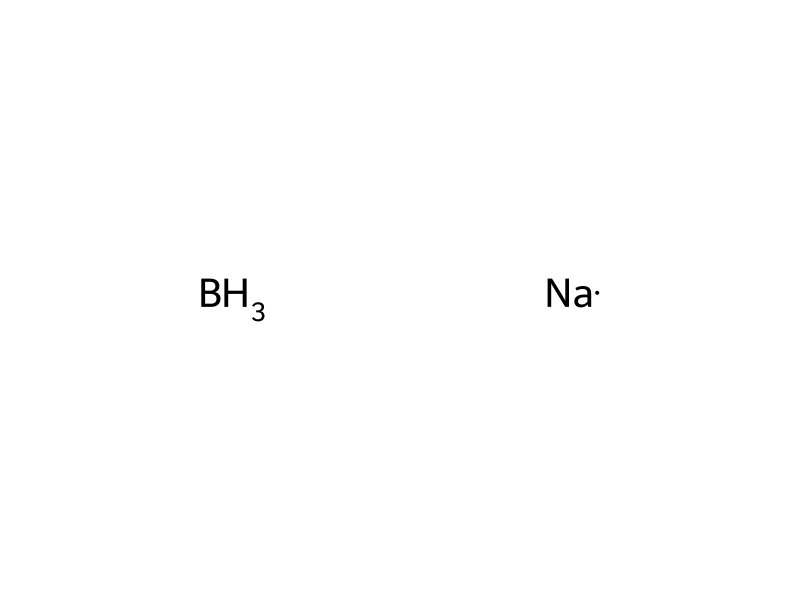
[CH2:1]([O:3][C:4]([C:6]12[CH2:13][CH2:12][C:9]([NH:14][CH2:15][C:16]3[CH:21]=[CH:20][CH:19]=[CH:18][CH:17]=3)([CH2:10][CH2:11]1)[CH2:8][C:7]2=[O:22])=[O:5])[CH3:2].B.[Na]>C(O)C>[CH2:1]([O:3][C:4]([C:6]12[CH2:13][CH2:12][C:9]([NH:14][CH2:15][C:16]3[CH:17]=[CH:18][CH:19]=[CH:20][CH:21]=3)([CH2:10][CH2:11]1)[CH2:8][CH:7]2[OH:22])=[O:5])[CH3:2]Participants
4
Reactant 2

Product 1

Reagents, catalysts & solvents 1

Conditions
- Temperature
- 0 °C
Procedure
Ethanol (2 mL) was added to 4-(benzylamino)-2-oxobicyclo-[2.2.2]octane-1-carboxylic acid ethyl ester (200 mg, 0.66 mmol) and then the resulting mixture was stirred. The resulting mixture was cooled to 0° C., sodium boron hydride (38 mg, 1 mmol) was added thereto, the temperature thereof was raised up to room temperature and then the mixture was stirred for 30 minutes. After quenching the reaction mixture with a 18% aqueous ammonium chloride solution, the mixture was made uniform with water and acetonitrile and then quantitatively analyzed (according to the LC technique). As a result, the yield of the desired product was found to be 83% (the internal standard substance used was 1,2,4-trimethylbenzene).
Workup
- temperaturethe temperature thereof was raised up to room temperature
- stirringthe mixture was stirred for 30 minutes
- customAfter quenching the reaction mixture with a 18% aqueous ammonium chloride solution
Sources & evidence
- ORD record
- ord-4a61b216926440379624ecff9e0e16a2
- Source dataset
- uspto-grants-2013_07
- Patent number
- US08476470B2
Reaction notes
Loading…