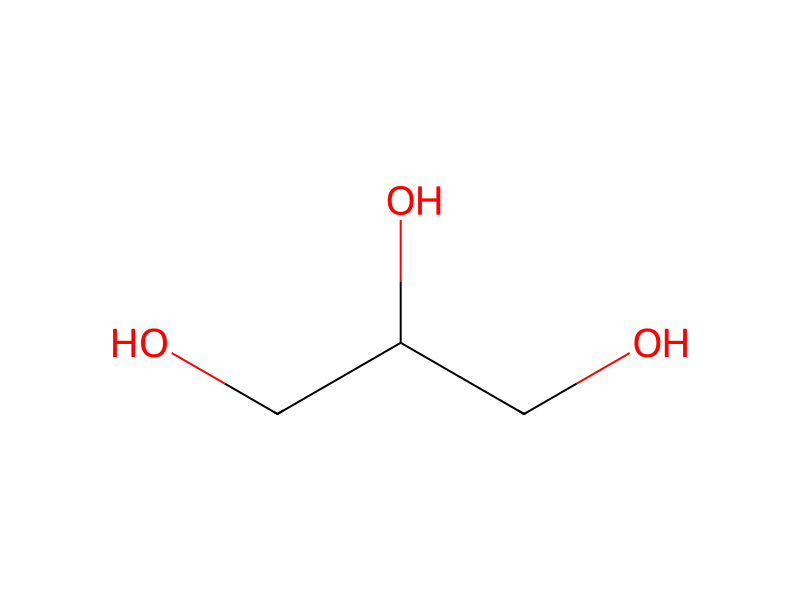
Glycerol → 2-(1-(7-Fluoroquinolin-6-yl)ethyl)isoindoline-1,3-dione
Reaction equation

[F:1][C:2]1[CH:11]=[C:10]2[C:5]([CH:6]=[CH:7][CH:8]=[N:9]2)=[CH:4][C:3]=1[CH:12](O)[CH3:13].[N+:15]([C:18]1C=[CH:22][CH:21]=[CH:20][CH:19]=1)([O-])=O.S(=O)(=O)(O)[OH:25].O[CH2:30][CH:31]([CH2:33][OH:34])O>>[F:1][C:2]1[CH:11]=[C:10]2[C:5]([CH:6]=[CH:7][CH:8]=[N:9]2)=[CH:4][C:3]=1[CH:12]([N:15]1[C:18](=[O:25])[C:19]2[C:31](=[CH:30][CH:22]=[CH:21][CH:20]=2)[C:33]1=[O:34])[CH3:13]Participants
5




Procedure
A mixture of 4-bromo-3,5-difluoro-phenylamine (i) (6.0 g, 28.8 mmole), 1.82 g ferrous sulfate, 8.6 mL glycerol, 1.79 mL nitrobenzene, and 5.0 mL concentrated sulfuric acid was heated gently. After the first vigorous reaction, the mixture was boiled for five hours. Nitrobenzene was removed by distillation in vacuo. The aqueous solution was acidified with glacial acetic acid, and dark brown precipitate separated, which was purified by flash chromatography (silica gel, petroleum/ethyl acetate=12/1) to give 6-bromo-5,7-difluoroquinoline (ii) as a white solid (3.5 g, 49.8%).
Workup
- temperaturewas heated gently
- customAfter the first vigorous reaction
- customNitrobenzene was removed by distillation in vacuo
- customseparated
- customwhich was purified by flash chromatography (silica gel, petroleum/ethyl acetate=12/1)
Sources & evidence
- ORD record
- ord-5f1fe484b15a4357813973093ab20fe1
- Source dataset
- uspto-grants-2013_07
- Patent number
- US08497368B2
Reaction notes
Loading…