Pyridine → HCID 18772052, compound
Reaction equation

[Cl:1][C:2]1[CH:7]=[C:6]([C:8](=[S:10])[NH2:9])[CH:5]=[C:4]([Cl:11])[N:3]=1.Br[CH2:13][C:14](=O)[C:15]([O:17][CH2:18][CH3:19])=[O:16].N1C=CC=CC=1>O1CCOCC1>[Cl:1][C:2]1[CH:7]=[C:6]([C:8]2[S:10][CH:13]=[C:14]([C:15]([O:17][CH2:18][CH3:19])=[O:16])[N:9]=2)[CH:5]=[C:4]([Cl:11])[N:3]=1Participants
5
Reactant 3

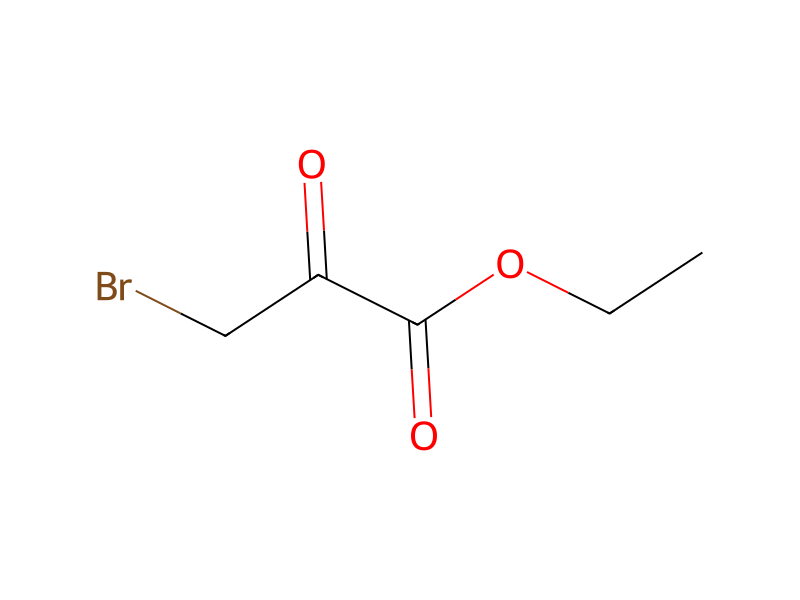

Product 1

Reagents, catalysts & solvents 1

Procedure
2,6-Dichloropyridine-4-thiocarboxamide (1.0 g, 4.83 mmol) was dissolved in dry 1,4-dioxane followed by adding ethyl bromopyruvate (0.9 mL, 7.24 mmol) and pyridine (0.4 mL, 4.83 mmol). The resulting mixture was heated to reflux under N2 for 5 h. After cooling to RT, solvent was removed. The residue was extracted with CHCl3. The organic layer was washed with H2O and brine, dried over MgSO4, and concentrated to give a brownish solid. This crude was purified by chromatography on silica gel. Elution with hexane:acetone (90:10) gave a title compound as yellow solid. MS m/z: 303 (M+H). Calc'd. for C11H8Cl2N2O2S-303.16.
Workup
- temperatureThe resulting mixture was heated
- temperatureto reflux under N2 for 5 h
- customsolvent was removed
- extractionThe residue was extracted with CHCl3
- washThe organic layer was washed with H2O and brine
- dry with materialdried over MgSO4
- concentrationconcentrated
- customto give a brownish solid
- customThis crude was purified by chromatography on silica gel
- washElution with hexane:acetone (90:10)
Sources & evidence
- ORD record
- ord-b0e3719767fa48b58aeb12e2ec3ebe5c
- Source dataset
- uspto-grants-2007_03
- Patent number
- US07196104B2
Reaction notes
Loading…