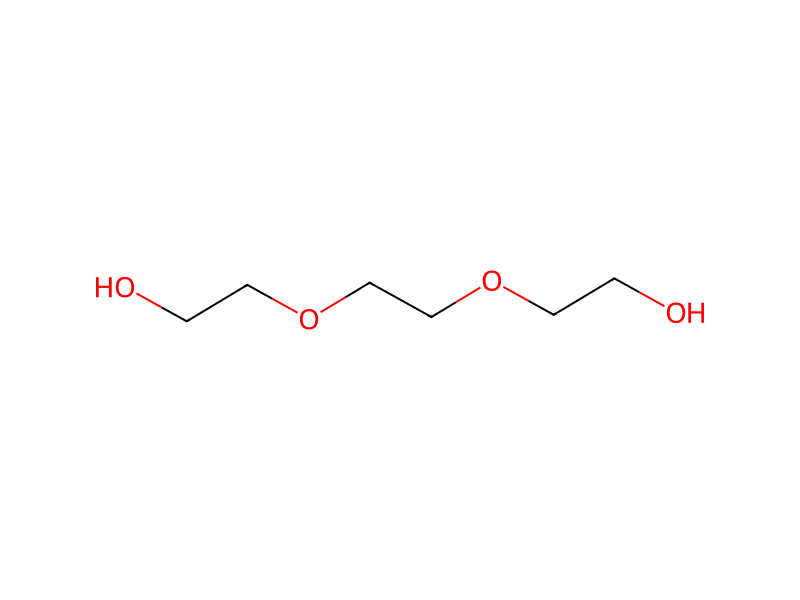
Triethylene Glycol → HCID 86735252, compound
Reaction equation

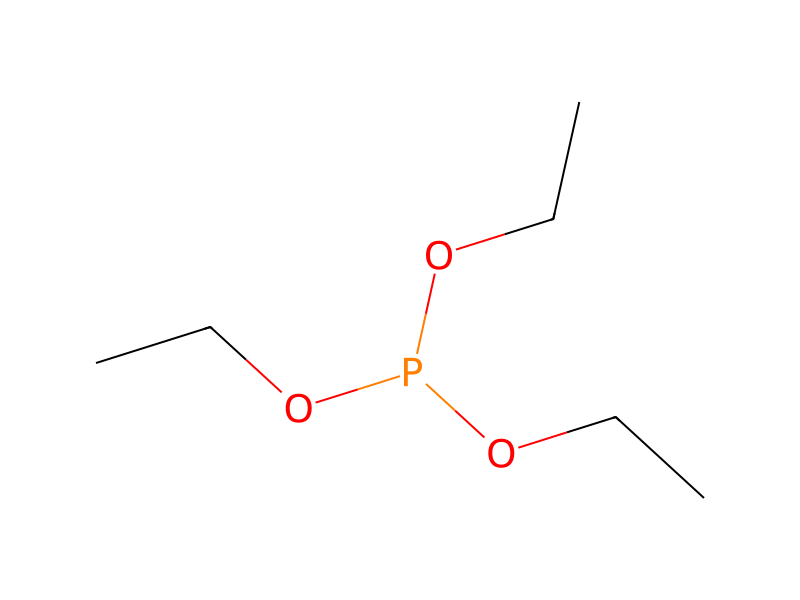
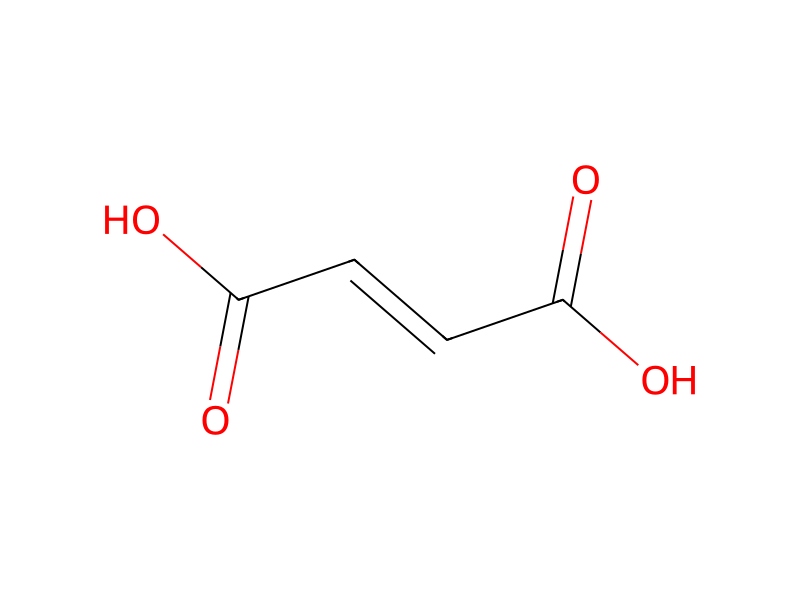
[C:1]([OH:8])(=[O:7])/[CH:2]=[CH:3]/[C:4]([OH:6])=[O:5].[CH2:9]([OH:18])[CH2:10][O:11][CH2:12][CH2:13][O:14][CH2:15][CH2:16]O.[CH2:19]([O:21][P:22]([O:26]CC)[O:23][CH2:24][CH3:25])[CH3:20].[PH2](O)=O.[P]>>[CH2:19]([O:21][P:22]([CH:3]([CH2:2][C:1]([OH:8])=[O:7])[C:4]([OH:6])=[O:5])([O:23][CH2:24][CH3:25])=[O:26])[CH3:20].[CH2:1]([C:15]([O:14][CH:13]=[CH:12][O:11][CH2:10][CH2:9][OH:18])=[CH2:16])[CH3:2]Participants
6


Procedure
The procedure according to Example 1 was repeated using similar apparatus and under essentially similar conditions allowing for the differences in quantities of materials employed. In this example, for the materials of the previous Example 1, 4.0 mols of fumaric acid, 4.0 mols of triethyleneglycol, 4.0 mols of triethylphosphite and 0.5% of hypophosphorous acid were employed. The product of the reaction had an acid value of about 5, a hydroxyl value of about 34, triethylphosphite less than 0.1% and a phosphorus content of about 7.3%.
Sources & evidence
- ORD record
- ord-e42c6b4e85cf4ce18889c0445b5d8eab
- Source dataset
- uspto-grants-1977_12
- Patent number
- US04062829
Reaction notes
Loading…