2,4-Dinitrophenol → 2,4-Diaminophenol
Reaction equation

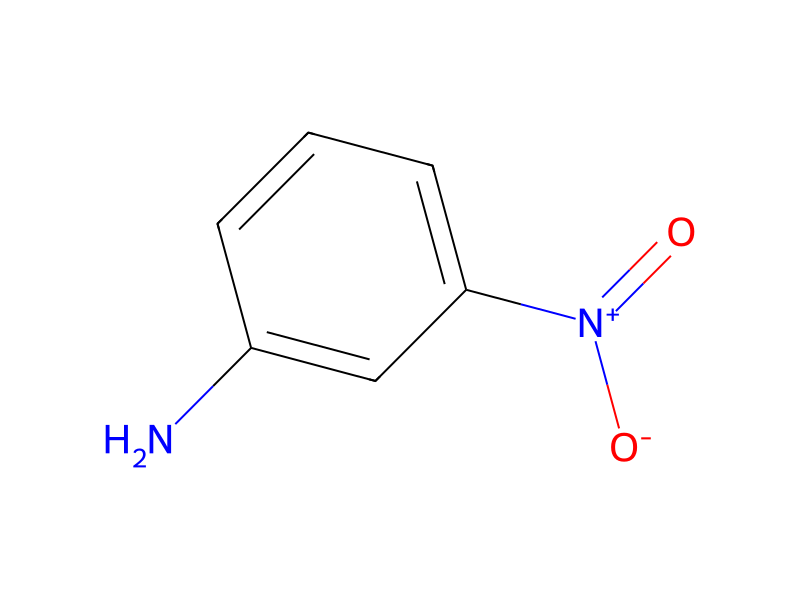
[N+:1]([C:4]1[CH:9]=[C:8]([N+:10]([O-:12])=[O:11])[CH:7]=[CH:6][C:5]=1[OH:13])([O-:3])=[O:2]>S(=O)(=O)(O)O>[NH2:1][C:4]1[CH:9]=[C:8]([NH2:10])[CH:7]=[CH:6][C:5]=1[OH:13].[CH:6]1[CH:5]=[C:4]([N+:1]([O-:3])=[O:2])[CH:9]=[C:8]([N+:10]([O-:12])=[O:11])[CH:7]=1.[N+:1]([C:4]1[CH:9]=[C:8]([CH:7]=[CH:6][CH:5]=1)[NH2:10])([O-:3])=[O:2]Participants
5
Reactant 1

Product 3


Reagents, catalysts & solvents 1

Procedure
2,4-Diaminophenol is prepared by the catalytic hydrogenation of 2,4-dinitrophenol or less conveniently be reduction in acid solution by metals. It is also formed by the electrolytic reduction of 3-dinitrobenzene or 3-nitroaniline in sulfuric acid (L. Gatterman, Chem. Ber., 1893, 26, p. 1848). 2,6-Diaminophenol is formed by the reduction of 2,6-dinitrophenol (J. Post and C. Stuckenberg, Ann., 1880, 205, p. 79). 2,5-Diaminophenol and 4,5-diaminophenol and prepared from the corresponding nitroaminophenol (F. Kehrmann, Chem. Ber., 1897, 30, p. 2096; 1898, 31, p. 2403). 3,5-Diaminophenol (m.p. 168°-170° C.) is formed from phloroglucinol and aqueous ammonia (J. Pollak, Monatsh, 1893, 14, p. 425).
Sources & evidence
- ORD record
- ord-38a0607374594f3facb7df29bf17afd2
- Source dataset
- uspto-grants-1985_05
- Patent number
- US04517005
Reaction notes
Loading…