Potassium Hydroxide → HCID 21449322, compound
Reaction equation

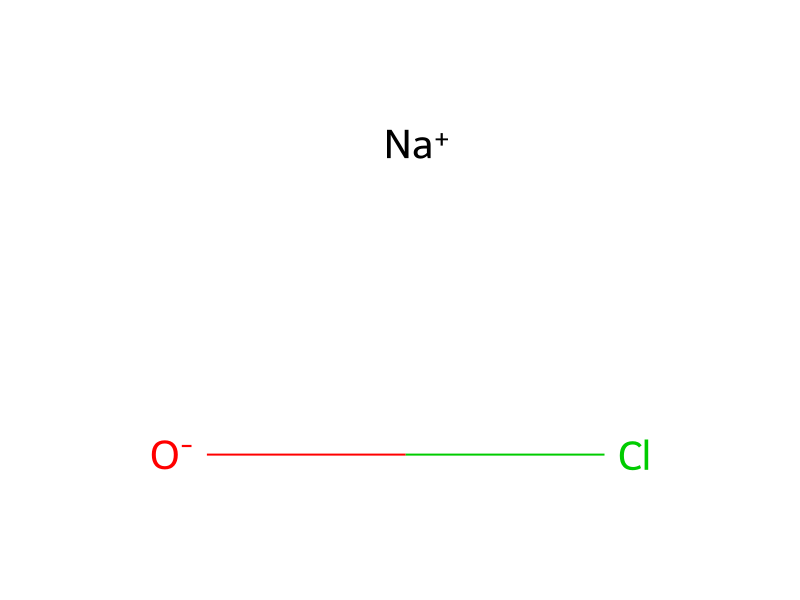
[N+:1]([C:4]1[CH:10]=[CH:9][C:8]([O:11][C:12]2[CH:17]=[CH:16][CH:15]=[CH:14][CH:13]=2)=[CH:7][C:5]=1[NH2:6])([O-:3])=[O:2].[OH-].[K+].Cl[O-].[Na+]>>[O:11]([C:8]1[CH:9]=[CH:10][C:4]2=[N+:1]([O-:3])[O:2][N:6]=[C:5]2[CH:7]=1)[C:12]1[CH:17]=[CH:16][CH:15]=[CH:14][CH:13]=1Participants
4



Procedure
Following the procedure of Example 4, N-methylcarbonyl 2-nitro-5-fluoroaniline (1.0 g, 5.1 mmol), phenol (0.47 g, 5.1 mmol) and potassium carbonate (1.4 g, 10.2 mmol) are reacted together to give N-methylcarbonyl 2-nitro-5-phenoxyaniline, 1.2 g of which is then reacted with 20% hydrochloric acid (50 ml) to give 2-nitro-5-phenoxyaniline. The 2-nitro-5-phenoxyaniline (0.9 g, 3.9 mmol) is reacted with potassium hydroxide (0.2 g, 3.9 mmol) and sodium hypochlorite (11 ml of 5.2% solution, 0.6 g, 7.8 mmol) to yield 5-phenoxybenzo-2,1,3-oxadiazole N-oxide, m.p. 76°-77°.
Sources & evidence
- ORD record
- ord-850840e9f07a49df8000153f6b64f44c
- Source dataset
- uspto-grants-1985_10
- Patent number
- US04544400
Reaction notes
Loading…