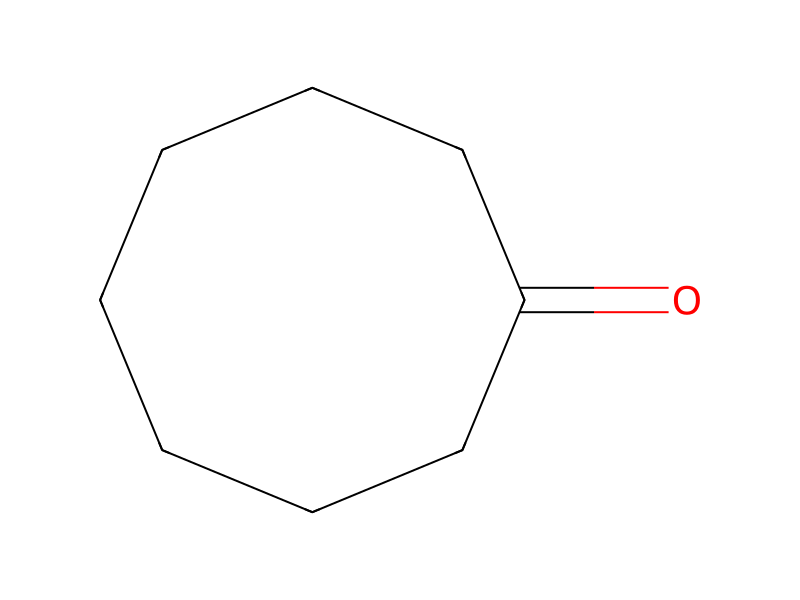
Cyclooctanone → HCID 13533647, compound
Reaction equation

Cl.[N+:2]([C:5]1[CH:6]=[C:7]([NH:11]N)[CH:8]=[CH:9][CH:10]=1)([O-:4])=[O:3].[C:13]1(=O)[CH2:20][CH2:19][CH2:18][CH2:17][CH2:16][CH2:15][CH2:14]1>C(O)(=O)C>[N+:2]([C:5]1[CH:10]=[CH:9][CH:8]=[C:7]2[C:6]=1[C:13]1[CH2:20][CH2:19][CH2:18][CH2:17][CH2:16][CH2:15][C:14]=1[NH:11]2)([O-:4])=[O:3]Participants
4
Reactant 2

Product 1

Reagents, catalysts & solvents 1

Procedure
3-Nitrophenylhydrazine hydrochloride (50 g, 0.26 mol) and cyclooctanone (32.2 g, 0.25 mol) were refluxed in 400 mL of glacial acetic acid for 6 hours. The solution was allowed to cool and the separated solid was filtered, washed with water and recrystallized from absolute ethanol to afford 20 g (31% yield) of 6,7,8,9,10,11-hexahydro-1-nitro-5H-cyclooct[b]indole; m.p. 189°-191° C.
Workup
- temperatureto cool
- filtrationthe separated solid was filtered
- washwashed with water
- customrecrystallized from absolute ethanol
Sources & evidence
- ORD record
- ord-c17099a59953413da414c06e3f5a59b5
- Source dataset
- uspto-grants-1985_10
- Patent number
- US04546193
Reaction notes
Loading…