Borane → 4-Chloro-3-nitrobenzyl alcohol
Reaction equation

[Cl:1][C:2]1[CH:10]=[CH:9][C:5]([C:6](O)=[O:7])=[CH:4][C:3]=1[N+:11]([O-:13])=[O:12].B>>[Cl:1][C:2]1[CH:10]=[CH:9][C:5]([CH2:6][OH:7])=[CH:4][C:3]=1[N+:11]([O-:13])=[O:12]Participants
3


Procedure
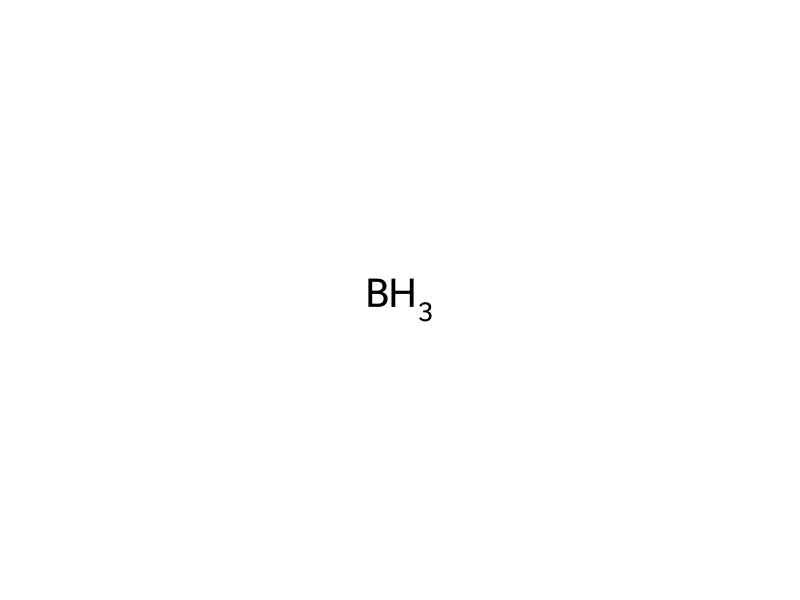
4-chloro-3-nitrobenzoic acid was subjected to borane reduction to yield 4-chloro-3-nitrobenzyl alcohol. The benzyl alcohol compound was treated with sodium sulfide, and 4,4'-dithiobis(3-aminobenzyl alcohol) thus obtained was caused to react with triphenylphosphine in dioxane, and further with 1-cyanoguanidine to yield 5-hydroxymethyl-2-guanidinobenzothiazole. Then, the hydroxymethyl compound (0.5 g) was refluxed with heating for 15 minutes in an aqueous 47% hydrobromic acid solution (5 ml) to yield 5-bromomethyl-2-guanidinobenzothiazole.hydrobromide (0.63 g).
Sources & evidence
- ORD record
- ord-3ec595421e394694afed93a8568e20a5
- Source dataset
- uspto-grants-1985_10
- Patent number
- US04550118
Reaction notes
Loading…