Water → HCID 70606386, compound
Reaction equation

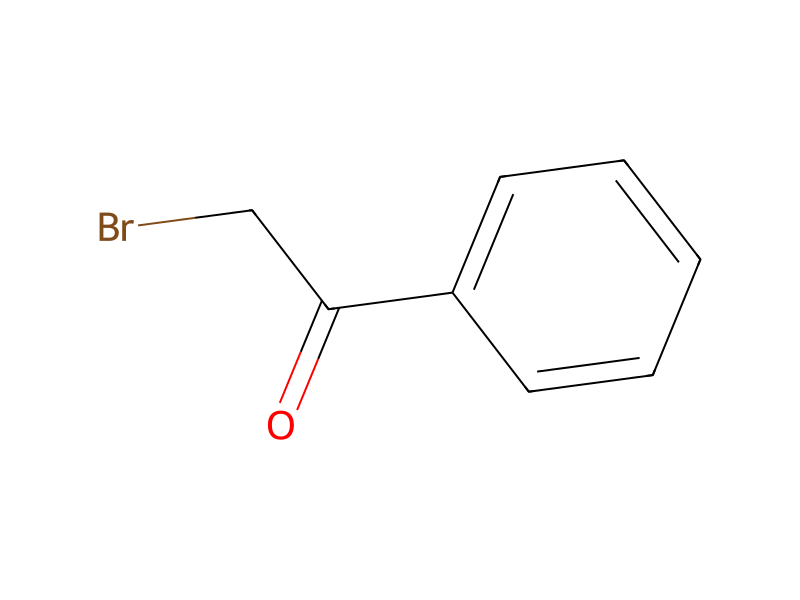
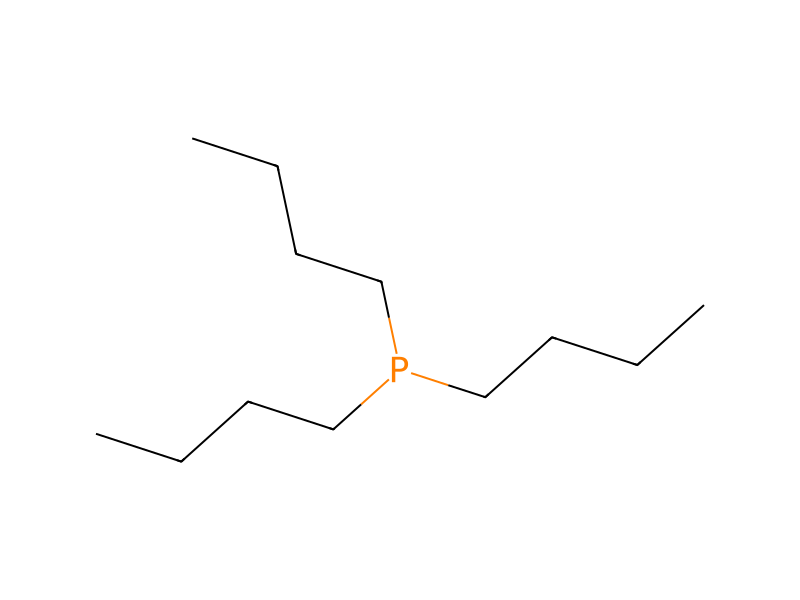
CC(C)CS[S:5][C@H:6]1[NH:9][C:8](=[O:10])[C@H:7]1[NH:11][C:12](=[O:20])[CH2:13][C:14]1[CH:19]=[CH:18][CH:17]=[CH:16][CH:15]=1.[CH2:22](Br)[C:23]([C:25]1[CH:30]=[CH:29][CH:28]=[CH:27][CH:26]=1)=[O:24].C(P(CCCC)CCCC)CCC.O>CN(C)C=O>[C:14]1([CH2:13][C:12]([NH:11][C@H:7]2[C@@H:6]([S:5][CH2:22][C:23]([C:25]3[CH:30]=[CH:29][CH:28]=[CH:27][CH:26]=3)=[O:24])[NH:9][C:8]2=[O:10])=[O:20])[CH:15]=[CH:16][CH:17]=[CH:18][CH:19]=1Participants
6
Reactant 4


Product 1

Reagents, catalysts & solvents 1

Procedure
(3R,4R)-4(2'-Methyl-n-propyldithio)-3-phenylacetamidoazetidin-2-one (0.5 g., 0.0015 mole), phenacyl bromide (1.0 g., 0.005 mole), and tributyl phosphine (0.8 ml., 0.0032 mole) were stirred in N,N-dimethylformamide (10 ml.) for 0.25 hours. The reaction mixture was poured into water (100 ml.) and extracted with ethyl acetate (3×100 ml.). The combined organic phases were washed with water (2×100 mls.) and evaporated to a yellow oil which was chromatographed on silica gel eluting with 33% ethyl acetate in benzene to yield (3R,4R)-3-phenylacetamido-4-phenacylthioazetidin-2-one (0.429 g., 78%). The constants were as described previously for compound B in Example 3.
Workup
- extractionextracted with ethyl acetate (3×100 ml.)
- washThe combined organic phases were washed with water (2×100 mls.)
- customevaporated to a yellow oil which
- customwas chromatographed on silica gel eluting with 33% ethyl acetate in benzene
Sources & evidence
- ORD record
- ord-6cd27cb7e8cb4ba8b49ca90703e8c1b9
- Source dataset
- uspto-grants-1979_11
- Patent number
- US04174318
Reaction notes
Loading…