Bicarbonate Ion → 6-(1H-benzimidazol-2-yl)-4-(4-pyridinyl)quinoline
Reaction equation

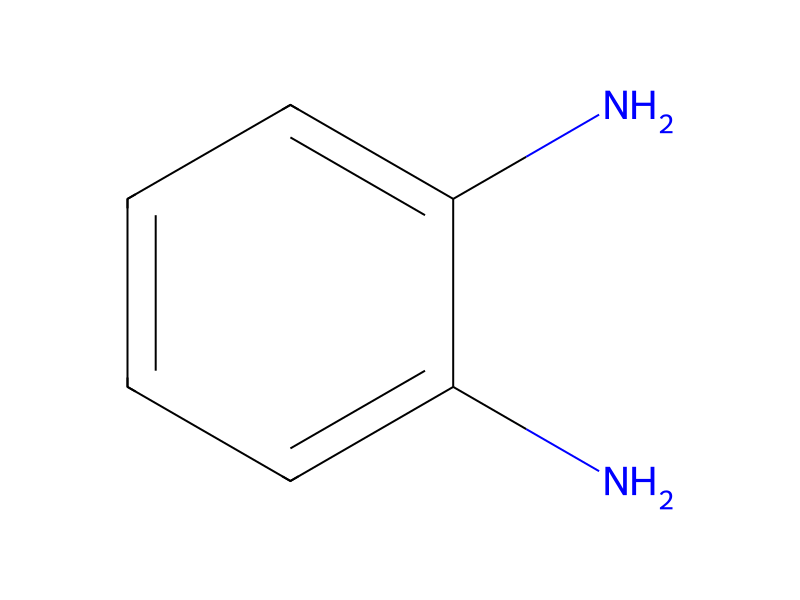
[N:1]1[CH:6]=[CH:5][C:4]([C:7]2[C:16]3[C:11](=[CH:12][CH:13]=[C:14]([C:17]#[N:18])[CH:15]=3)[N:10]=[CH:9][CH:8]=2)=[CH:3][CH:2]=1.[NH2:19][C:20]1[CH:25]=[CH:24][CH:23]=[CH:22][C:21]=1N.C(=O)(O)[O-]>>[NH:18]1[C:21]2[CH:22]=[CH:23][CH:24]=[CH:25][C:20]=2[N:19]=[C:17]1[C:14]1[CH:15]=[C:16]2[C:11](=[CH:12][CH:13]=1)[N:10]=[CH:9][CH:8]=[C:7]2[C:4]1[CH:3]=[CH:2][N:1]=[CH:6][CH:5]=1Participants
4



Conditions
- Temperature
- 250 °C
Procedure
A mixture of 4-(4-pyridinyl)-6-quinolinecarbonitrile, (231 mg, 1 mmol) 1,2-diaminobenzene (108 mg, 1 mmol) and polyphosphoric acid (1.4 g) was heated in the microwave at 250° C. for 1.5 hours. The reaction was poured onto water which was neutralized with bicarbonate. The product was filtered, washed with water, and dried. The product was further purified by dissolving in hot methanol, filtering and cooling to obtain crystals. The yield was 47.7 mg, 30%. MS (ES)+ m/e 323 [M+H]+.
Workup
- additionThe reaction was poured onto water which
- filtrationThe product was filtered
- washwashed with water
- customdried
- customThe product was further purified
- dissolutionby dissolving in hot methanol
- filtrationfiltering
- temperaturecooling
- customto obtain crystals
Sources & evidence
- ORD record
- ord-806d02af944f4c1fb353cc90b6c6cd1e
- Source dataset
- uspto-grants-2014_01
- Patent number
- US08633187B2
Reaction notes
Loading…