Acetate → Isopropyl 2-(3-(6-ethyl-1-naphthamido)phenoxy)acetate
Reaction equation

[CH2:1]([C:3]1[CH:4]=[C:5]2[C:10](=[CH:11][CH:12]=1)[C:9]([C:13]([OH:15])=O)=[CH:8][CH:7]=[CH:6]2)[CH3:2].[NH2:16][C:17]1[CH:18]=[C:19]([CH:28]=[CH:29][CH:30]=1)[O:20][CH2:21][C:22]([O:24][CH:25]([CH3:27])[CH3:26])=[O:23].C([O-])(=O)C>>[CH2:1]([C:3]1[CH:4]=[C:5]2[C:10](=[CH:11][CH:12]=1)[C:9]([C:13]([NH:16][C:17]1[CH:18]=[C:19]([CH:28]=[CH:29][CH:30]=1)[O:20][CH2:21][C:22]([O:24][CH:25]([CH3:26])[CH3:27])=[O:23])=[O:15])=[CH:8][CH:7]=[CH:6]2)[CH3:2]Participants
4
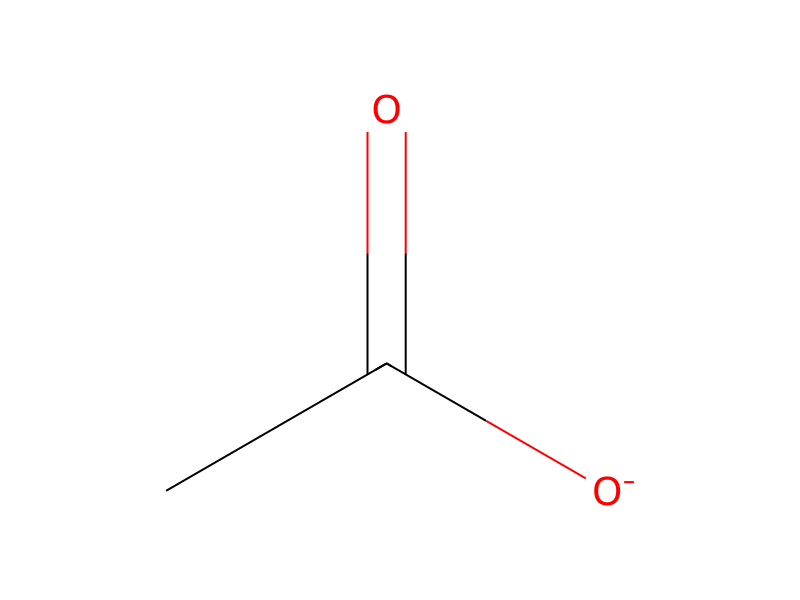


Procedure
In accordance with the procedure of Example 1, step 5, 6-ethyl-1-naphthoic acid (51 mg, 0.25 mmol) and isopropyl 2-(3-aminophenoxy)acetate (64 mg, 0.31 mmol) were converted into 34 mg (34%) of isopropyl 243-(6-ethyl-1-naphthamido)phenoxy)acetate.
Sources & evidence
- ORD record
- ord-112e19a4627f400a86a8dd8a1d07bbc2
- Source dataset
- uspto-grants-2014_01
- Patent number
- US08633220B2
Reaction notes
Loading…