Acetic Acid → 3-(Tetrazol-1-yl)-8-nitro-6H-dibenzo[b,e]oxepin-11-one
Reaction equation

[NH2:1][C:2]1[CH:3]=[CH:4][C:5]2[C:11](=[O:12])[C:10]3[CH:13]=[CH:14][C:15]([N+:17]([O-:19])=[O:18])=[CH:16][C:9]=3[CH2:8][O:7][C:6]=2[CH:20]=1.[N-:21]=[N+:22]=[N-:23].[Na+].[CH:25](OC)(OC)OC.C(O)(=O)C>>[N:1]1([C:2]2[CH:3]=[CH:4][C:5]3[C:11](=[O:12])[C:10]4[CH:13]=[CH:14][C:15]([N+:17]([O-:19])=[O:18])=[CH:16][C:9]=4[CH2:8][O:7][C:6]=3[CH:20]=2)[CH:25]=[N:23][N:22]=[N:21]1Participants
5

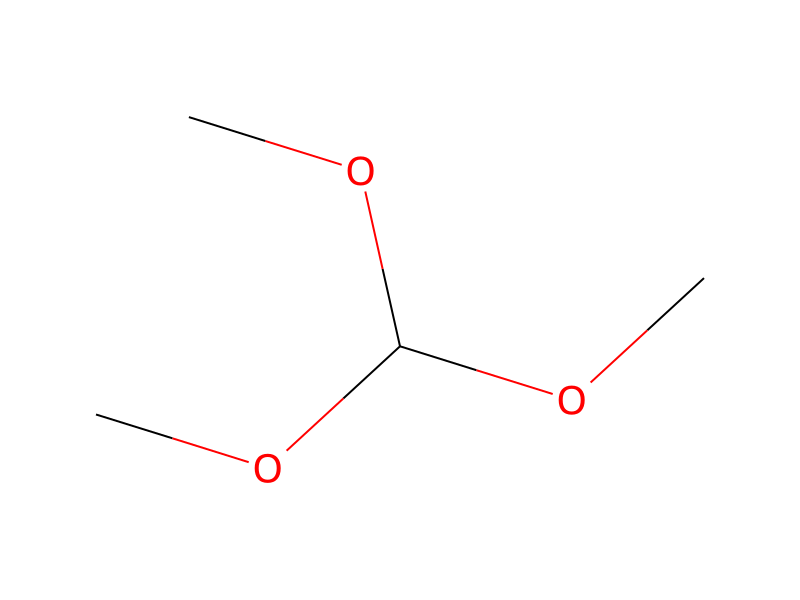



Conditions
- Temperature
- 100 °C
Procedure
0.50 g (1.85 mmol) of (6) and 0.35 g (5.38 mmol) of sodium azide are suspended in 2.20 g (14.84 mmol) of trimethyl orthoformate at 0° C. 1.20 g (20.00 mmol) of glacial acetic acid are then added to the mixture and the mixture is heated to 100° C. and refluxed for 4 h. After cooling to room temperature, the mixture is concentrated in vacuo and the residue is taken up with EtOAc and dissolved under the influence of heat. The white-grey product precipitates out in the cold. Yield: 0.50 g (83.6%); melting point: 123-126° C.; C15H9N5O4 (Mr=323.27)
Workup
- temperaturerefluxed for 4 h
- temperatureAfter cooling to room temperature
- concentrationthe mixture is concentrated in vacuo
- dissolutiondissolved under the influence
- temperatureof heat
- customThe white-grey product precipitates out in the cold
Sources & evidence
- ORD record
- ord-645d2aa2f9fc48c0bf0525deff05b86e
- Source dataset
- uspto-grants-2014_01
- Patent number
- US08633312B2
Reaction notes
Loading…