Chloroacetyl chloride → 2-Chloro-1-(4-(2,3-dimethylphenyl)piperazin-1-yl)ethanone
Reaction equation

[Cl:1][CH2:2][C:3](Cl)=[O:4].[C:6]1([N:14]2[CH2:19][CH2:18][NH:17][CH2:16][CH2:15]2)[CH:11]=[CH:10][CH:9]=[C:8]([CH3:12])[C:7]=1[CH3:13].C(=O)([O-])[O-].[Ca+2]>C(C(C)=O)C>[Cl:1][CH2:2][C:3]([N:17]1[CH2:18][CH2:19][N:14]([C:6]2[CH:11]=[CH:10][CH:9]=[C:8]([CH3:12])[C:7]=2[CH3:13])[CH2:15][CH2:16]1)=[O:4]Participants
5
Reactant 3

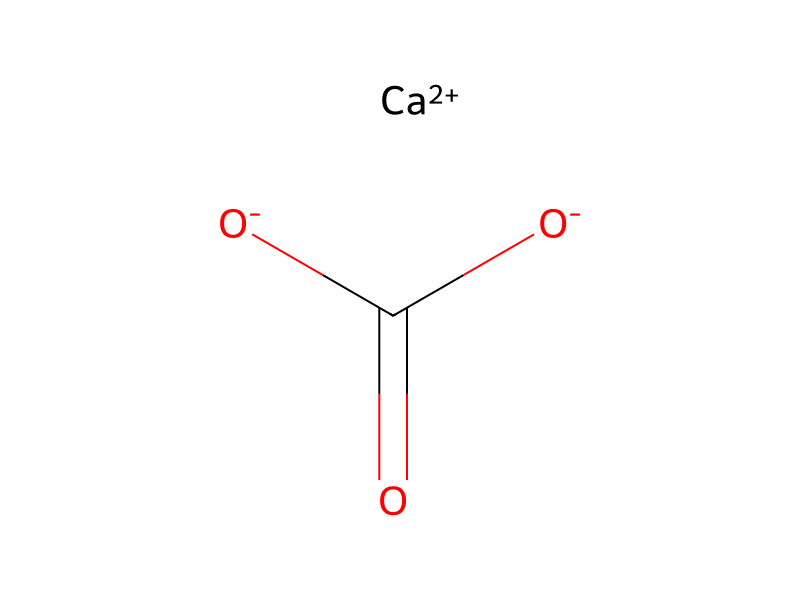

Product 1

Reagents, catalysts & solvents 1

Conditions
- Temperature
- 0 °C
Procedure
Chloroacetyl chloride (1.47 ml, 18.5 mmol) is added dropwise to a solution of 1-(2,3-xylyl)piperazine (3.2 g, 16.8 mmol) and calcium carbonate (5 g, 50 mmol) in methyl ethyl ketone (40 ml) cooled to 0° C. The reaction mixture is stirred at this temperature for 1 h 30 and it is then filtered through Celite. The Celite is rinsed several times with ethyl acetate and 3M sodium hydroxide solution. The two phases of the filtrate are then separated and the organic phase is dried over magnesium sulfate, filtered and concentrated.
Workup
- filtrationis then filtered through Celite
- washThe Celite is rinsed several times with ethyl acetate and 3M sodium hydroxide solution
- customThe two phases of the filtrate are then separated
- dry with materialthe organic phase is dried over magnesium sulfate
- filtrationfiltered
- concentrationconcentrated
Sources & evidence
- ORD record
- ord-bc6cf150a67d4c33a1e173f5afa08d23
- Source dataset
- uspto-grants-1998_08
- Patent number
- US05789412
Reaction notes
Loading…