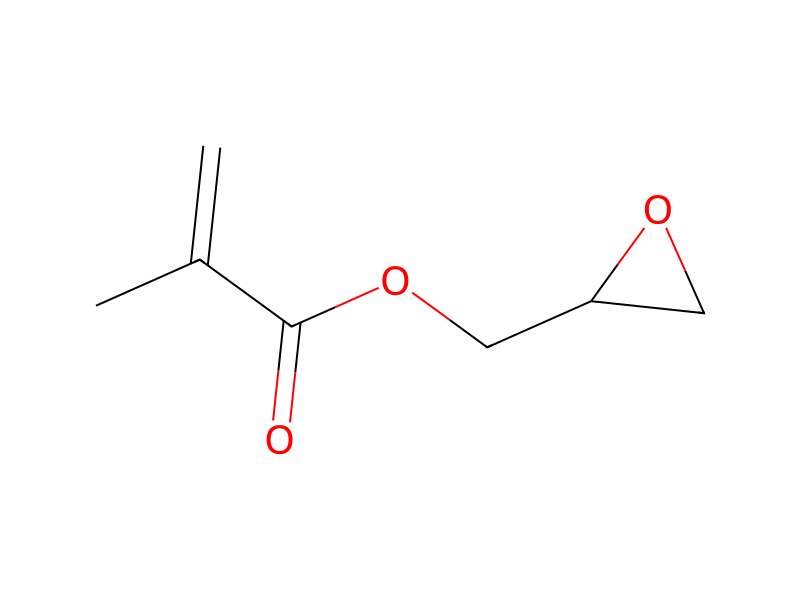
Glycidyl methacrylate → 2-Hydroxyethyl Methacrylate
Reaction equation

[CH2:1]=[CH:2][CH:3]=[CH2:4].[CH2:5]=[CH:6][C:7]1[CH:12]=[CH:11][CH:10]=[CH:9][CH:8]=1.[CH3:13][C:14]([C:16]([O:18][CH2:19][CH2:20][OH:21])=[O:17])=[CH2:15].[C:22]([O:27][CH2:28][CH:29]1[O:31][CH2:30]1)(=[O:26])[C:23]([CH3:25])=[CH2:24]>>[CH2:1]=[CH:2][CH:3]=[CH2:4].[CH2:5]=[CH:6][C:7]1[CH:12]=[CH:11][CH:10]=[CH:9][CH:8]=1.[C:22]([O:27][CH2:28][CH:29]1[O:31][CH2:30]1)(=[O:26])[C:23]([CH3:25])=[CH2:24].[CH3:15][C:14]([C:16]([O:18][CH2:19][CH2:20][OH:21])=[O:17])=[CH2:13]Participants
4


Procedure
The terpolymer (butadiene-styrene-HEMA) of Example 1 was compounded as in Example 1. A butadiene-styrene-glycidyl methacrylate (GMA) terpolymer was prepared using Recipe C (Table I), it was stripped, coagulated and compounded as in Example 1. The oil extended GMA terpolymer had a Mooney of 91. As seen from Table 3, the HEMA terpolymer gave compounds having better vibrotester resilience than compounds of the GMA terpolymer.
Sources & evidence
- ORD record
- ord-10270e7645ff49ff90d2128b96f0dedb
- Source dataset
- uspto-grants-1986_03
- Patent number
- US04574140
Reaction notes
Loading…