2,3-Dihydroxybutanedioic Acid → Oxalate
Reaction equation

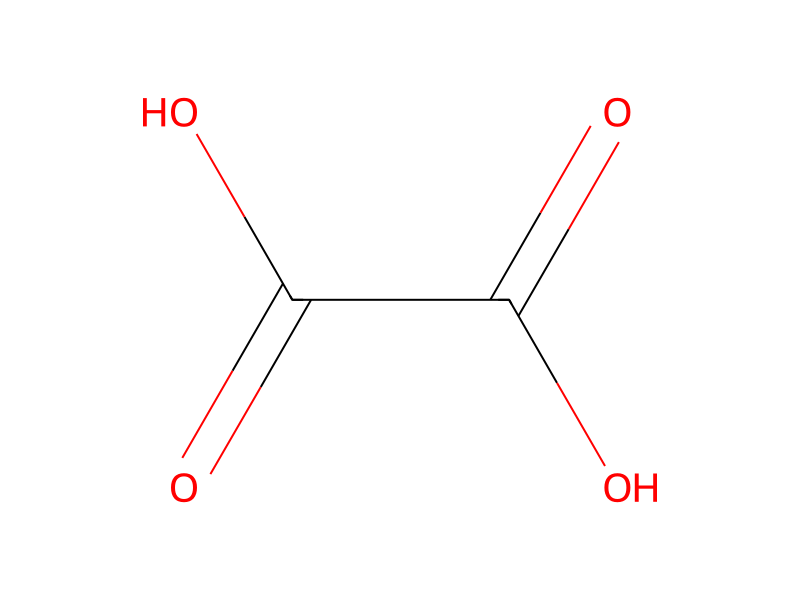
[C:1]([OH:6])(=[O:5])[C:2]([OH:4])=[O:3].[C:7]([OH:16])(=[O:15])[CH:8]([CH:10]([C:12]([OH:14])=[O:13])[OH:11])[OH:9]>>[C:1]([O-:6])(=[O:5])[C:2]([O-:4])=[O:3].[C:7]([O-:16])(=[O:15])[CH:8]([CH:10]([C:12]([O-:14])=[O:13])[OH:11])[OH:9]Participants
4



Procedure
When the alcoholic solution saturated with oxalic acid or tartaric acid was added to the ethereal solution of the above-mentioned syrupy residue with cooling, there was obtained oxalate(mp. 222° C.) or tartarate (mp. 246° C.), respectively.
Workup
- temperaturewith cooling
Sources & evidence
- ORD record
- ord-cefdbeeec4714360a1c2f13db1ca7e89
- Source dataset
- uspto-grants-1986_03
- Patent number
- US04574156
Reaction notes
Loading…