Pyridine → HCID 86736764, compound
Reaction equation

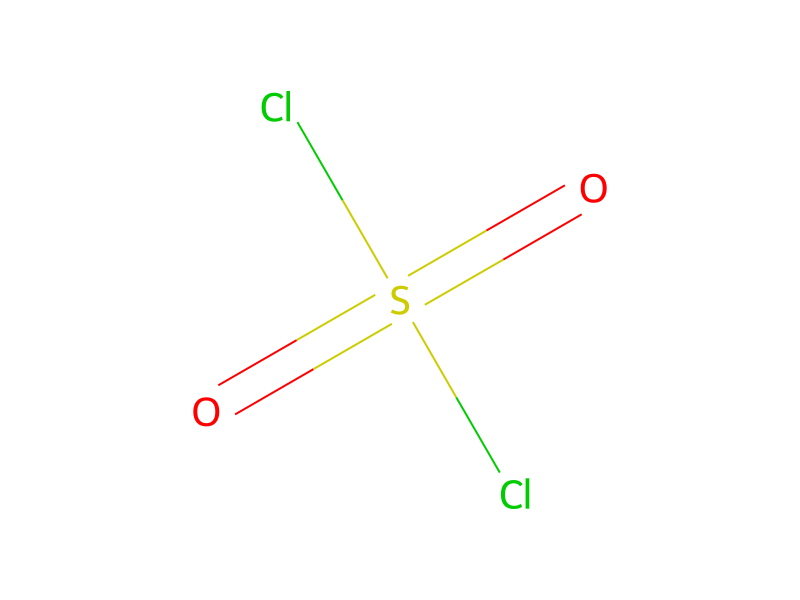
[O:1]=[C:2]1[CH:5]([N:6]2[C:10](=[O:11])[C:9]3=[CH:12][CH:13]=[CH:14][CH:15]=[C:8]3[C:7]2=[O:16])[CH2:4][N:3]1[CH:17]([CH2:22][C:23]1[CH:28]=[CH:27][CH:26]=[CH:25][CH:24]=1)[C:18]([O:20][CH3:21])=[S:19].N1C=CC=CC=1.S(Cl)(Cl)(=O)=O>ClCCl>[O:1]=[C:2]1[CH:5]([N:6]2[C:7](=[O:16])[C:8]3=[CH:15][CH:14]=[CH:13][CH:12]=[C:9]3[C:10]2=[O:11])[CH2:4][N:3]1[C:17](=[CH:22][C:23]1[CH:28]=[CH:27][CH:26]=[CH:25][CH:24]=1)[C:18]([O:20][CH3:21])=[S:19]Participants
Reactant 3


Product 1

Reagents, catalysts & solvents 1

Procedure
Methyl 2-(2-oxo-3-phthalimido-1-azetidinyl)-3-phenylthiopropionate (5.1 g.) and pyridine (4.0 g.) were dissolved in dichloromethane (100 ml.), and to the solution, there was added dichloromethane (20 ml.) solution containing sulfuryl chloride (2.0 g.) at 35° to 40° C. in the source of 70 minutes with stirring. The stirring was continued at the same temperature for an hour. After the reaction, the reaction mixture was evaporated to dryness under reduced pressure. Ethyl acetate (100 ml.) and water (50 ml.) were added to the residue obtained, and the resultant mixture was stirred for a while. The ethyl acetate layer was separated from the mixture and the remaining aqueous solution was extracted with ethyl acetate. This extract and the above ethyl acetate layer were combined, washed with three portions of diluted hydrochloric acid, three portions of saturated aqueous sodium bicarbonate, two portions of water and then dried over magnesium sulfate. The solvent was removed by distillation from the solution under reduced pressure to give an oily residue (4.95 g.), which was subjected to column chromatography on silica gel(30 g.). Elution was carried out with chloroform and the fractions containing a desired compound were collected. The solvent was removed by distillation from the solution under reduced pressure to give methyl 2-(2-oxo-3-phthalimido-1-azetidinyl)-3-phenylthioacrylate (a mixture of trans and cis isomer) (4.23 g.).
Workup
- waitThe stirring was continued at the same temperature for an hour
- customAfter the reaction
- customthe reaction mixture was evaporated to dryness under reduced pressure
- additionEthyl acetate (100 ml.) and water (50 ml.) were added to the residue
- customobtained
- customThe ethyl acetate layer was separated from the mixture
- extractionthe remaining aqueous solution was extracted with ethyl acetate
- extractionThis extract
- washwashed with three portions of diluted hydrochloric acid, three portions of saturated aqueous sodium bicarbonate, two portions of water
- dry with materialdried over magnesium sulfate
- customThe solvent was removed by distillation from the solution under reduced pressure
- customto give an oily residue (4.95 g.), which
- washElution
- additionthe fractions containing a desired compound
- customwere collected
- customThe solvent was removed by distillation from the solution under reduced pressure
Sources & evidence
- ORD record
- ord-ff246197b8f342c99910ee1da55f3079
- Source dataset
- uspto-grants-1986_03
- Patent number
- US04576753
Reaction notes
Loading…