Potassium Hydroxide → 2-Isopropyl-3-cyclopentylcarbonylpyrazolo[1,5-a]pyridine
Reaction equation

[CH:1]([C:4]1[CH:12]=[C:7]2[CH:8]=[CH:9][CH:10]=[CH:11][N:6]2[N:5]=1)([CH3:3])[CH3:2].[CH:13]1([C:18](Cl)=[O:19])[CH2:17][CH2:16][CH2:15][CH2:14]1.[OH-].[K+]>>[CH:1]([C:4]1[C:12]([C:18]([CH:13]2[CH2:17][CH2:16][CH2:15][CH2:14]2)=[O:19])=[C:7]2[CH:8]=[CH:9][CH:10]=[CH:11][N:6]2[N:5]=1)([CH3:3])[CH3:2]Participants
4

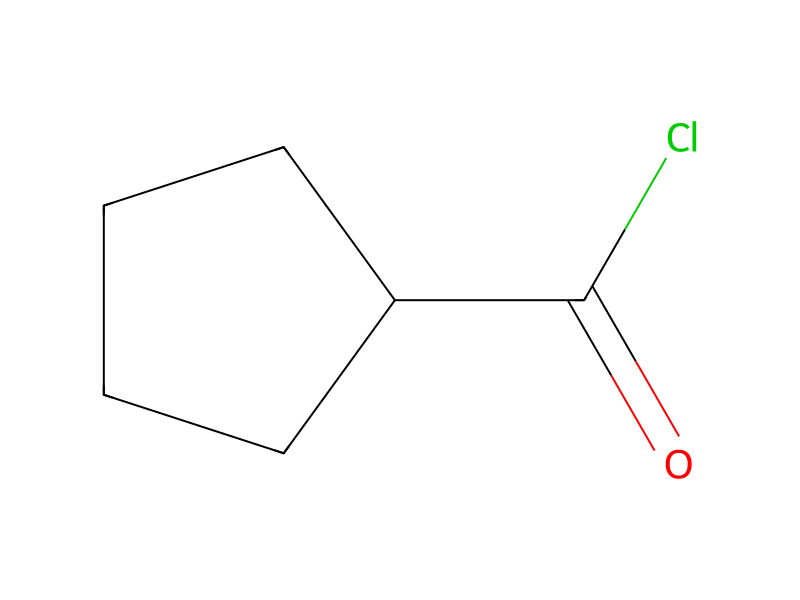


Conditions
- Temperature
- 160 °C
Procedure
A mixture of 5 g of 2-isopropylpyrazolo[1,5-a]pyridine and 5 ml of cyclopentylcarbonyl chloride was heated at 160° C. for 4.5 hours and, after cooling, poured into aqueous potassium hydroxide solution. The mixture was extracted with dichloromethane and the organic layer was dried over anhydrous sodium sulfate, concentrated to dryness. The residue was applied to a column of silica gel, eluting with ethyl acetate-hexane(1:9), to give 2.1 g of the title compound as colorless crystals, mp 106°-110° C.
Workup
- temperatureafter cooling
- extractionThe mixture was extracted with dichloromethane
- dry with materialthe organic layer was dried over anhydrous sodium sulfate
- concentrationconcentrated to dryness
- washeluting with ethyl acetate-hexane(1:9)
Sources & evidence
- ORD record
- ord-6f0cd25f1297408f9fdeaad19dcb09fa
- Source dataset
- uspto-grants-1986_03
- Patent number
- US04578392
Reaction notes
Loading…