Ethanol → HCID 178510502, compound
Reaction equation

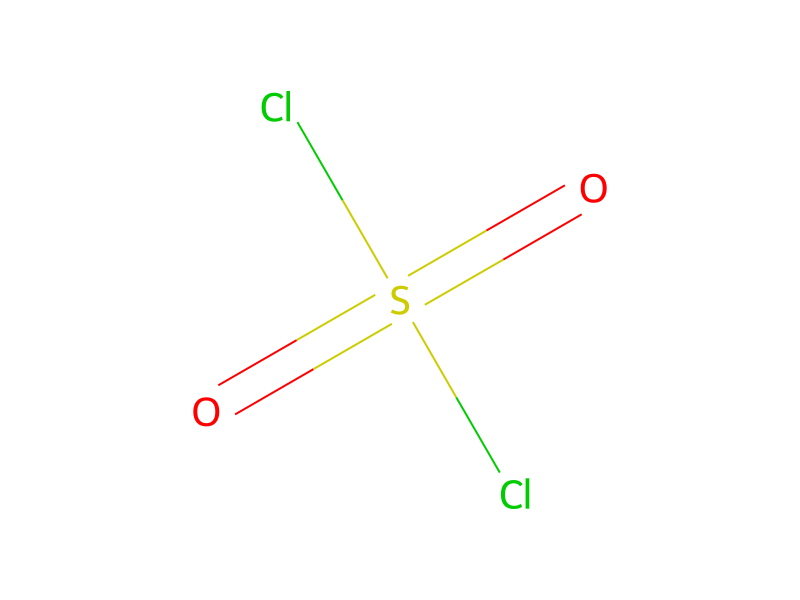
[NH2:1]/[C:2](/[C:13]1[CH:18]=[CH:17][C:16]([F:19])=[CH:15][CH:14]=1)=[C:3]1\[C:4](=[O:12])[C:5]2[CH:11]=[CH:10][CH:9]=[CH:8][C:6]=2[S:7]\1.S(Cl)(Cl)(=O)=[O:21].C(O)C>ClCCl.ClC(Cl)C>[NH2:1]/[C:2](/[C:13]1[CH:14]=[CH:15][C:16]([F:19])=[CH:17][CH:18]=1)=[C:3]1\[C:4](=[O:12])[C:5]2[CH:11]=[CH:10][CH:9]=[CH:8][C:6]=2[S:7]\1=[O:21]Participants
6
Reactant 3


Product 1

Reagents, catalysts & solvents 2


Conditions
- Temperature
- -70 °C
Procedure
2.61 gm (9.61 mmols) of (E)-2-[(amino)-4-fluorophenylmethylene]-benzo[b]thiophen-3(2H)-one were dissolved in 50 ml of dichloromethane, the solution was cooled to -70° C, and then a solution of 1.5 gm (11.1 mmols) of sulfuryl chloride in 5 ml of dichloroethane was added dropwise thereto. After 15 hours, 20 ml of 95% ethanol were added, and the reaction mixture was brought to room temperature by removal of the cooling bath. It was then neutralized with aqueous sodium carbonate, the dichloromethane phase was dried with sodium sulfate, the solvent was evaporated in vacuo, and the residue was recrystallized from glacial acetic acid/ethanol (1:4 v/v).
Workup
- customthe reaction mixture was brought to room temperature by removal of the cooling bath
- dry with materialthe dichloromethane phase was dried with sodium sulfate
- customthe solvent was evaporated in vacuo
- customthe residue was recrystallized from glacial acetic acid/ethanol (1:4 v/v)
Sources & evidence
- ORD record
- ord-e25b65f2c08e4d8785798f3cb3bf0e97
- Source dataset
- uspto-grants-1985_08
- Patent number
- US04536402
Reaction notes
Loading…