Dichloromethane → 2-Acetamido-5-chloropyridine
Reaction equation

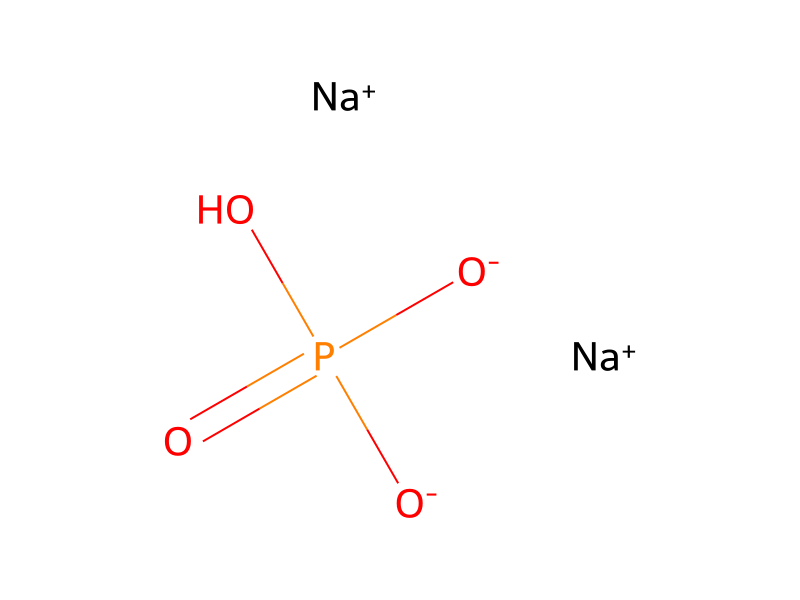
[C:1]([NH:4][C:5]1[CH:10]=[CH:9][CH:8]=[CH:7][N:6]=1)(=[O:3])[CH3:2].P([O-])([O-])(O)=O.[Na+].[Na+].[Cl:18]CCl.ClCl>O>[C:1]([NH:4][C:5]1[CH:10]=[CH:9][C:8]([Cl:18])=[CH:7][N:6]=1)(=[O:3])[CH3:2]Participants
Reactant 4



Product 1

Reagents, catalysts & solvents 1

Procedure
In 300 ml of water, 13.6 g (0. lmol) of 2-acetamidopyridine (Id) was dissolved. To this solution, 35.5 g (0.25 mol) of disodium hydrogenphosphate and 100 ml of dichloromethane were added in this order. While this mixture was stirred, 8.0 g (0.11 mol) of chlorine was introduced thereto at 0° C. for 30 minutes. Then the mixture was further stirred at the same temperature for 2 hours. After the mixture was brought back to room temperature, it was separated into a water layer and an extract layer. Thereafter, the water layer was further extracted with 100 ml of dichloromethane and then washed with saturated brine. The resulting extract layer was dehydrated by sodium sulfate anhydride. When dichloromethane was evaporated off, 16.0 g (yield: 94.0%) of 2-acetamido-5-chloropyridine (IIj) was obtained as a pale brown crystal.
Workup
- stirringThen the mixture was further stirred at the same temperature for 2 hours
- customwas brought back to room temperature
- customit was separated into a water layer
- extractionThereafter, the water layer was further extracted with 100 ml of dichloromethane
- washwashed with saturated brine
- extractionThe resulting extract layer
- customWhen dichloromethane was evaporated off
Sources & evidence
- ORD record
- ord-e72657f8f6e14059b549fc264a50cd97
- Source dataset
- uspto-grants-1994_03
- Patent number
- US05290943
Reaction notes
Loading…