Isoprene → Styrene
Reaction equation

C([Li])(CC)C.CN(CCN(C)C)C.[CH2:14]=[CH:15][C:16](=[CH2:18])[CH3:17].[CH2:19]=[CH:20][C:21]1[CH:26]=[CH:25][CH:24]=[CH:23][CH:22]=1>C1CCCCC1>[CH2:19]=[CH:20][C:21]1[CH:26]=[CH:25][CH:24]=[CH:23][CH:22]=1.[CH2:19]=[CH:20][C:21]1[CH:26]=[CH:25][CH:24]=[CH:23][CH:22]=1.[CH2:14]=[CH:15][C:16](=[CH2:17])[CH3:18].[CH2:19]=[CH:20][C:21]1[CH:26]=[CH:25][CH:24]=[CH:23][CH:22]=1Participants
Reactant 4


Product 2

Reagents, catalysts & solvents 1

Procedure
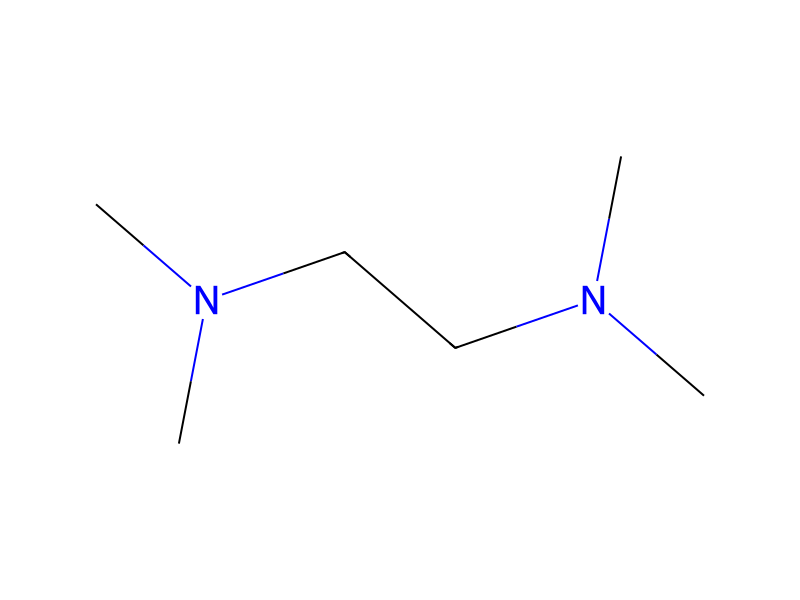
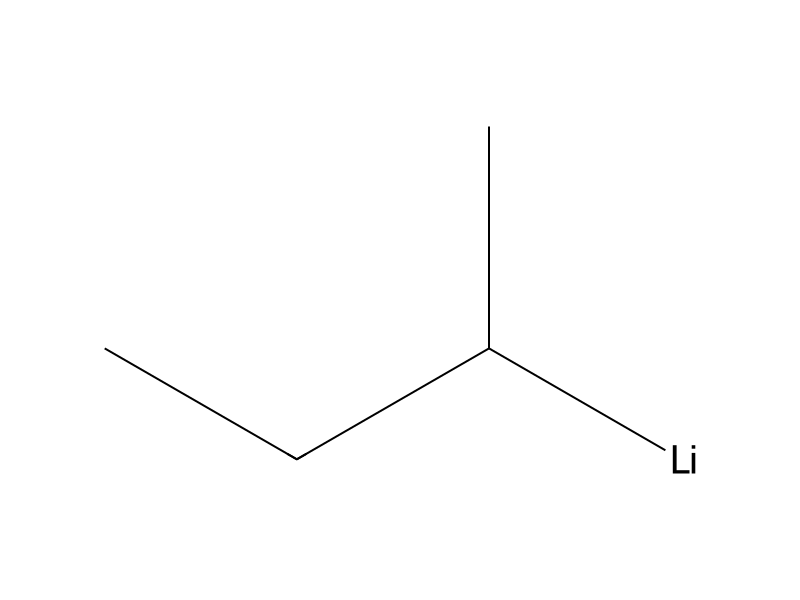
In a pressure vessel where dry nitrogen had been substituted, styrene was polymerized at 60° C. in cyclohexane as a solvent in the presence of s-butyllithium as a polymerization initiator, and then TMEDA was added as a Lewis base. Then, isoprene and styrene were consecutively polymerized to give a styrene-isoprene-styrene block copolymer. The thus-obtained block copolymer was hydrogenated in cyclohexane in the presence of Pd/C as a catalyst under a 2 MPa hydrogen atmosphere, to give a hydrogenated block copolymer (the hydrogenated block copolymer obtained in Referential Example 2 will be abbreviated as “Copolymer No. 1” hereinafter). Table 3 shows a styrene content, a number average molecular weight, a vinyl bond content and a hydrogenation ratio of the obtained Copolymer No. 1.
Workup
- customIn a pressure vessel where dry nitrogen had been substituted
Sources & evidence
- ORD record
- ord-e7f8d6354c674b08a7acfba0ec169268
- Source dataset
- uspto-grants-2005_12
- Patent number
- US06977105B1
Reaction notes
Loading…