Hydrochloric Acid → Methyl 2-acetyl-3,5-dihydroxyphenylacetate
Reaction equation

[C:1]([C:4]1[C:9]([O:10]CC=C)=[CH:8][C:7]([O:14]CC=C)=[CH:6][C:5]=1[CH2:18][C:19]([O:21][CH3:22])=[O:20])(=[O:3])[CH3:2].C([O-])=O.[NH4+].Cl>O1CCOCC1.CC1C=CC=CC=1[P](C1C=CC=CC=1C)([Pd][P](C1=C(C)C=CC=C1)(C1C=CC=CC=1C)C1C=CC=CC=1C)C1C=CC=CC=1C>[C:1]([C:4]1[C:9]([OH:10])=[CH:8][C:7]([OH:14])=[CH:6][C:5]=1[CH2:18][C:19]([O:21][CH3:22])=[O:20])(=[O:3])[CH3:2]Participants




Procedure
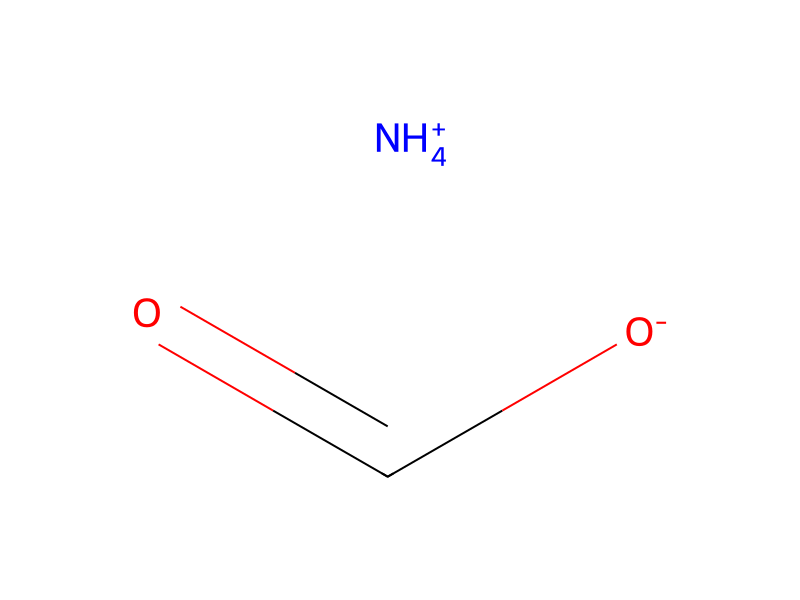
Methyl 2-acetyl-3,5-diallyloxyphenylacetate (22 g, 72 mmol) obtained in Example 5, Step 2 was dissolved in 1,4-dioxane (0.20 L). To the solution were added ammonium formate (18 g, 0.29 mol) and bis(triphenylphosphine)palladium (II) dichloride (2.5 g, 3.6 mmol), followed by stirring for 8 hours under heating and reflux. After cooling to room temperature, the reaction mixture was made acidic by addition of 3 mol/L hydrochloric acid (0.20 L) and then concentrated under reduced pressure. The resulting residue was extracted with a mixed solvent of ethyl acetate and methanol (ethyl acetate/methanol=4/1, 0.20 L×4). The organic layer was dried over anhydrous sodium sulfate and concentrated under reduced pressure. The resulting residue was purified by silica gel column chromatography (ethyl acetate/hexane=1/2) to obtain methyl 2-acetyl-3,5-dihydroxyphenylacetate (6.2 g, 39%).
Workup
- temperatureunder heating
- temperaturereflux
- concentrationconcentrated under reduced pressure
- extractionThe resulting residue was extracted with a mixed solvent of ethyl acetate and methanol (ethyl acetate/methanol=4/1, 0.20 L×4)
- dry with materialThe organic layer was dried over anhydrous sodium sulfate
- concentrationconcentrated under reduced pressure
- customThe resulting residue was purified by silica gel column chromatography (ethyl acetate/hexane=1/2)
Sources & evidence
- ORD record
- ord-c426a3eb970e48a08a8614b6b369041f
- Source dataset
- uspto-grants-2009_05
- Patent number
- US07538224B2
Reaction notes
Loading…