Ammonia → 2-((Tetrahydro-2H-pyran-2-YL)oxy)cyclopropane-1-carboxamide
Reaction equation

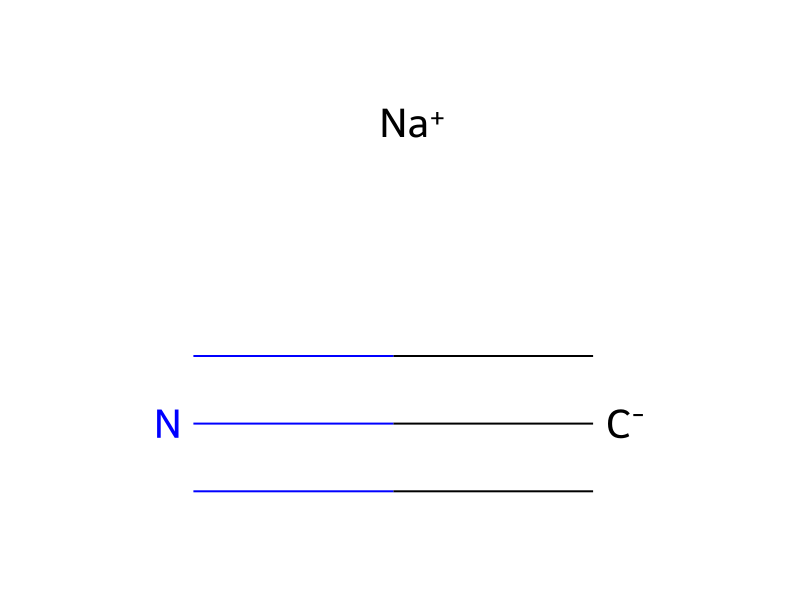
[O:1]1[CH2:6][CH2:5][CH2:4][CH2:3][CH:2]1[O:7][CH:8]1[CH2:10][CH:9]1[C:11]([O:13]CC)=O.[C-]#[N:17].[Na+].N>CO>[O:1]1[CH2:6][CH2:5][CH2:4][CH2:3][CH:2]1[O:7][CH:8]1[CH2:10][CH:9]1[C:11]([NH2:17])=[O:13]Participants
5
Reactant 3


Product 1

Reagents, catalysts & solvents 1

Procedure
In an autoclave, a solution of 0.25 mol of the compound obtained in Step 2, 2 g of sodium cyanide, 300 ml of a 2N solution of ammonia in methanol and 80 ml of liquid ammonia is heated at 65° C. for 5 days and is then concentrated to dryness. The residue is taken up in a mixture of dichloromethane/saturated potassium carbonate solution, filtered over Celite and then treated in conventional manner. After evaporating under reduced pressure, the residue is triturated in petroleum ether, filtered, rinsed and dried, allowing the expected product to be isolated.
Workup
- concentrationis then concentrated to dryness
- additionThe residue is taken up in a mixture of dichloromethane/saturated potassium carbonate solution
- filtrationfiltered over Celite
- additiontreated in conventional manner
- customAfter evaporating under reduced pressure
- customthe residue is triturated in petroleum ether
- filtrationfiltered
- washrinsed
- customdried
- customto be isolated
Sources & evidence
- ORD record
- ord-37dccb7e6302428a9e079c22d310f0b7
- Source dataset
- uspto-grants-2005_09
- Patent number
- US06943184B2
Reaction notes
Loading…