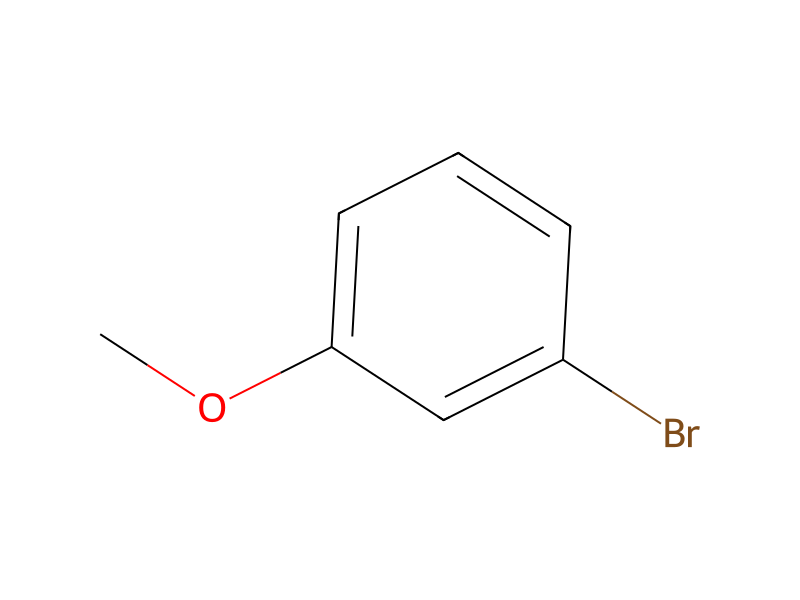
3-Bromoanisole → N-Cyclopropyl-3-methoxyaniline
Reaction equation

Br[C:2]1[CH:3]=[C:4]([O:8][CH3:9])[CH:5]=[CH:6][CH:7]=1.[CH:10]1([NH2:13])[CH2:12][CH2:11]1.CC(C)([O-])C.[Na+].C1C=CC(P(C2C=CC3C(=CC=CC=3)C=2C2C3C(=CC=CC=3)C=CC=2P(C2C=CC=CC=2)C2C=CC=CC=2)C2C=CC=CC=2)=CC=1>C1(C)C=CC=CC=1.C1C=CC(/C=C/C(/C=C/C2C=CC=CC=2)=O)=CC=1.C1C=CC(/C=C/C(/C=C/C2C=CC=CC=2)=O)=CC=1.C1C=CC(/C=C/C(/C=C/C2C=CC=CC=2)=O)=CC=1.[Pd].[Pd]>[CH:10]1([NH:13][C:2]2[CH:7]=[CH:6][CH:5]=[C:4]([O:8][CH3:9])[CH:3]=2)[CH2:12][CH2:11]1Participants





Conditions
- Temperature
- 80 °C
Procedure
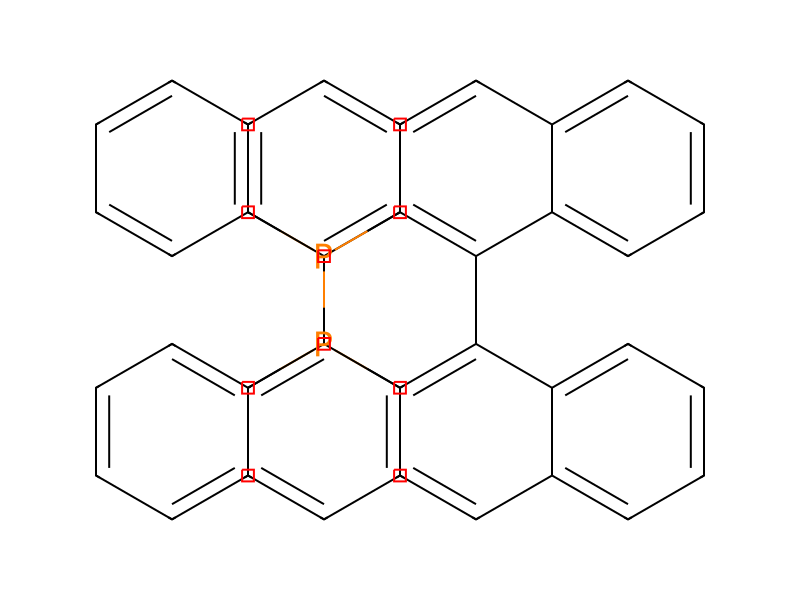
To a high-pressure tube was added 3-bromoanisole(0.250 mL, 2 mmol), cyclopropylamine (0.225 mL, 3.2 mmol), sodium t-butoxide (0.29 g, 3.0 mmol), (+/−) BINAP (0.04 g, 0.06 mmol), and Pd2(dba)3 (0.010 g, 0.01 mmol). This mixture was suspended in 4 mL anhydrous toluene. The tube was flushed with dry nitrogen gas, then capped and wrapped in aluminum foil. The reaction mixture was stirred and heated to 80° C. overnight, then allowed to cool, and the reaction vessel was opened. The mixture was diluted with diethyl ether, filtered through Celite, and the filtrate was concentrated to a yellow oil. LC/MS analysis showed one peak with the correct mass, and due to the limited stability of the material, it was carried through without further purification. FIA MS 164 (M+1).
Workup
- customThe tube was flushed with dry nitrogen gas
- customcapped
- temperatureto cool
- additionThe mixture was diluted with diethyl ether
- filtrationfiltered through Celite
- concentrationthe filtrate was concentrated to a yellow oil
- customdue to the limited stability of the material, it was carried through without further purification
Sources & evidence
- ORD record
- ord-6bd01bec80b34901b245ad4efea01bd4
- Source dataset
- uspto-grants-2010_08
- Patent number
- US07767680B2
Reaction notes
Loading…