Water → Methyl 2-amino-4-(4-fluorophenyl)-6-isopropylpyrimidine-5-carboxylate
Reaction equation

[NH2:1][C:2](=[C:10]([C:15](=O)[CH:16]([CH3:18])[CH3:17])[C:11]([O:13][CH3:14])=[O:12])[C:3]1[CH:8]=[CH:7][C:6]([F:9])=[CH:5][CH:4]=1.[N:20]#[C:21][NH2:22].O>CCCCCC.C(OCC)(=O)C>[NH2:22][C:21]1[N:1]=[C:2]([C:3]2[CH:8]=[CH:7][C:6]([F:9])=[CH:5][CH:4]=2)[C:10]([C:11]([O:13][CH3:14])=[O:12])=[C:15]([CH:16]([CH3:18])[CH3:17])[N:20]=1Participants
5
Reactant 3

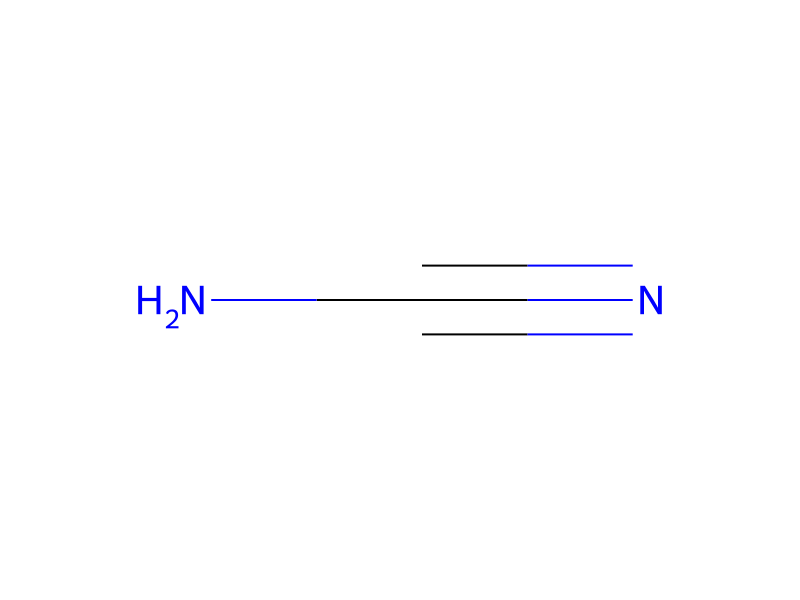

Product 1

Reagents, catalysts & solvents 1

Procedure
5.00 g of methyl 2-[1-amino-1-(4-fluorophenyl)-methylene]-4-methyl-3-oxopentanoate (18.7 mmol) were treated with 5 ml of N-N-dimethylacetamide and 15.71 g of a 50% strength aqueous cyanamide solution (187 mmol) and heated to reflux. After 5 h, the solution was poured onto 50 ml of water. The mixture was cooled in an ice bath and the deposited precipitate was isolated by means of a suction filter. After drying, 2.72 g of crude product were obtained in the form of a yellowish solid. After flash chromatography (150 g of silica gel; eluent: hexane/ethyl acetate 3:2), 1.19 g of methyl 2-amino-4-(4-fluorophenyl)-6-isopropylpyrimidine-5-carboxylate were isolated in the form of a colourless solid.
Workup
- temperatureheated to reflux
- temperatureThe mixture was cooled in an ice bath
- customthe deposited precipitate was isolated by means of a suction
- filtrationfilter
- customAfter drying
- custom2.72 g of crude product were obtained in the form of a yellowish solid
Sources & evidence
- ORD record
- ord-e66a2bd1a4454751acefae1930059942
- Source dataset
- uspto-grants-2004_03
- Patent number
- US06710178B2
Reaction notes
Loading…