Sodium Chloride → 1-Chloroethyl Cyclohexyl Carbonate
Reaction equation

[CH:1]1([OH:7])[CH2:6][CH2:5][CH2:4][CH2:3][CH2:2]1.Cl[C:9]([O:11][CH:12]([Cl:14])[CH3:13])=[O:10].[Cl-].[Na+]>C(Cl)Cl.N1C=CC=CC=1>[C:9](=[O:10])([O:7][CH:1]1[CH2:6][CH2:5][CH2:4][CH2:3][CH2:2]1)[O:11][CH:12]([Cl:14])[CH3:13]Participants
Reactant 3

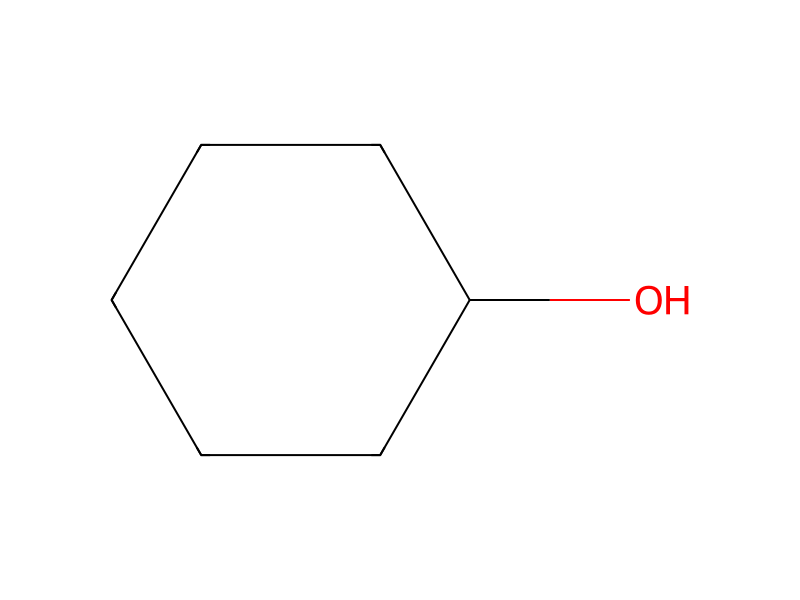

Product 1

Reagents, catalysts & solvents 2


Procedure
9.15 g of cyclohexanol was dissolved in 150 mL of methylene chloride, to which 7.4 mL of pyridine was added followed by dropwise addition of 10 mL of 1-chloroethyl chloroformate in an ice bath, and this mixture was stirred for 2 hours at room temperature. Then, a sodium chloride solution was added to the reaction mixture and the organic phase was separated therefrom. After the resultant organic phase was dried over anhydrous magnesium sulfate, the solvent was distilled out under reduced pressure to yield 18.6 g of 1-chloroethyl cyclohexyl carbonate as colorless oil. 5.00 g of this 1-chloroethyl cyclohexyl carbonate was dissolved in 150 mL of acetonitrile, to which 16.3 g of sodium iodide was added, and this mixture was stirred for one hour at 60° C. The mixture was cooled to room temperature, followed by concentration thereof under reduced pressure, and then insoluble substances were filtered out therefrom by adding diethyl ether to the residue. The resultant filtrate was concentrated under reduced pressure to yield 5.90 g of cyclohexyl 1-iodoethyl carbonate as red oil.
Workup
- additionwas added
- customthe organic phase was separated
- dry with materialAfter the resultant organic phase was dried over anhydrous magnesium sulfate
- distillationthe solvent was distilled out under reduced pressure
Sources & evidence
- ORD record
- ord-20442725f0514ebda11dc283d2d72c81
- Source dataset
- uspto-grants-2010_08
- Patent number
- US07772285B2
Reaction notes
Loading…