Ammonium Chloride → (5-Bromo-2,4-difluoro-phenyl)-(3-fluoro-phenyl)-methanol
Reaction equation

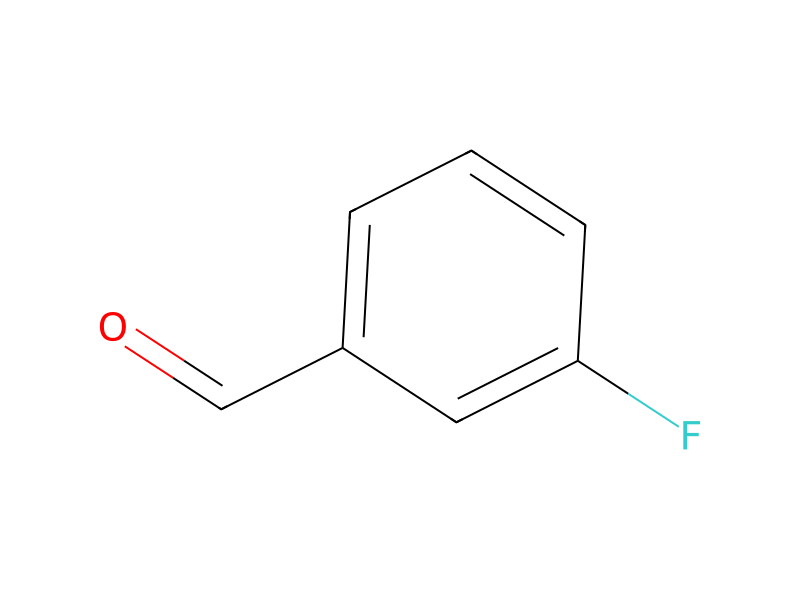
Br[C:2]1[CH:7]=[C:6]([Br:8])[C:5]([F:9])=[CH:4][C:3]=1[F:10].C([Li])CCC.[F:16][C:17]1[CH:18]=[C:19]([CH:22]=[CH:23][CH:24]=1)[CH:20]=[O:21].[Cl-].[NH4+]>C(OCC)C.CCCCCC>[Br:8][C:6]1[C:5]([F:9])=[CH:4][C:3]([F:10])=[C:2]([CH:20]([C:19]2[CH:22]=[CH:23][CH:24]=[C:17]([F:16])[CH:18]=2)[OH:21])[CH:7]=1Participants
7






Conditions
- Temperature
- -70 °C
Procedure
A total of 2.02 g of 1,5-dibromo-2,4-difluorobenzene obtained in Production Example II-5-a was dissolved in 38 ml of diethyl ether, and 4.9 ml of a 1.58 M solution of n-butyllithium in hexane was added under stirring at −70° C. After stirring for 1 hour, 4.9 ml of m-fluorobenzaldehyde was added and the mixture was stirred for 15 minutes. Saturated aqueous ammonium chloride solution was added to the reaction mixture, followed by extracting with ethyl acetate. The resulting organic layer was washed with brine, dried over magnesium sulfate and the solvent was evaporated. The residue was purified and separated by silica gel column chromatography (ethyl acetate:hexane=1:10), to give 0.96 g of the title compound.
Workup
- stirringAfter stirring for 1 hour
- stirringthe mixture was stirred for 15 minutes
- extractionby extracting with ethyl acetate
- washThe resulting organic layer was washed with brine
- dry with materialdried over magnesium sulfate
- customthe solvent was evaporated
- customThe residue was purified
- customseparated by silica gel column chromatography (ethyl acetate:hexane=1:10)
Sources & evidence
- ORD record
- ord-94206b409d9c4e3b89aa1e6ca590e3d1
- Source dataset
- uspto-grants-2010_08
- Patent number
- US07776890B2
Reaction notes
Loading…