Benzophenone → 4-tert-Butylcyclohexanone
Reaction equation

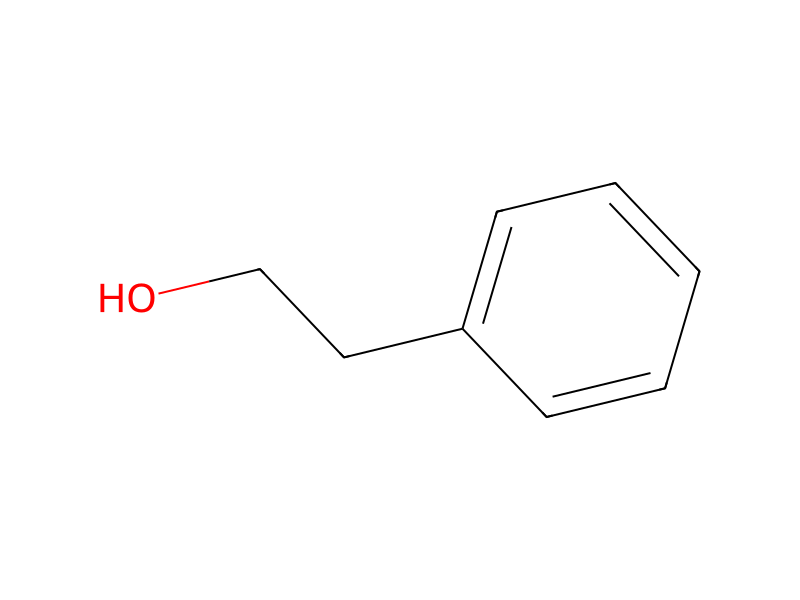
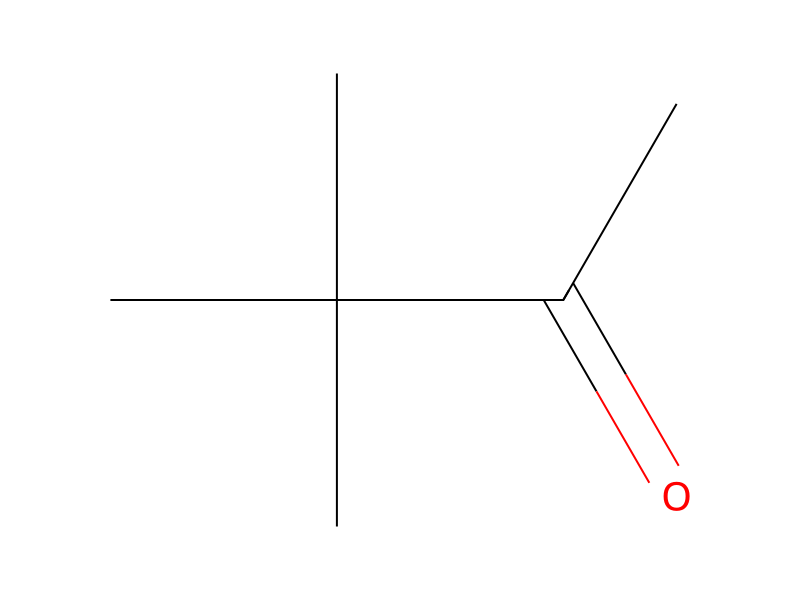
CC([O-])(C)C.[K+].[C:7]([C:10]1C=CC=C[CH:11]=1)(=[O:9])[CH3:8].C1C=CC(CCO)=CC=1.C(C1C=CC=CC=1)(=O)C1C=CC=CC=1.C(O)(C1C=CC=CC=1)C1C=CC=CC=1.[CH3:53][C:54](=O)[C:55]([CH3:58])([CH3:57])[CH3:56]>>[C:55]([CH:54]1[CH2:11][CH2:10][C:7](=[O:9])[CH2:8][CH2:53]1)([CH3:58])([CH3:57])[CH3:56]Participants





Procedure
Table 3 summarizes the hydrogenation of a variety of ketones and aldehydes using 1/KOtBu as hydrogenation catalyst at room temperature. Acetophenone was converted to phenylethanol even at high substrate to catalyst ratios (entries 1-3). Benzophenone was converted to benzhydrol under similarly mild reaction conditions. Unactivated dialkyl ketones were readily converted to their respective alcohols, including sterically congested and electronically deactivated pinacolone (entry 11). Reduction of 4-tert-butylcyclohexanone resulted in a 1:2 non-thermodynamic mixture of the cis and trans alcohols, respectively. The hydrogenation of conjugated ketones was also investigated. Benzalacetone was converted to the allyl alcohol as the only detectable product, whereas hydrogenation of cyclohex-2-enone resulted in a 1:1 mixture of the allyl and saturated alcohols. Only the carbonyl group of b-ionone was reduced to give the respective alcohol. The hydrogenation of the diketone benzil formed mainly the meso alcohol (meso:rac=3:1), whereas hexane-2,5-dione resulted in only rac-2,5-hexanediol. A 6:1 mixture of endo:exo norborneol resulted from the hydrogenation of norcamphor. Hydrogenation of benzaldehyde and valeraldehyde gave their respective alcohols.
Workup
- customat room temperature
Sources & evidence
- ORD record
- ord-55e442b4a0464b27b4e5c270a7182488
- Source dataset
- uspto-grants-2010_08
- Patent number
- US07777083B2
Reaction notes
Loading…