N,N-Dimethyl-1,3-propanediamine → N-[3-(Dimethylamino)propyl]docosanamide
Reaction equation

[C:1]([OH:24])(=O)[CH2:2][CH2:3][CH2:4][CH2:5][CH2:6][CH2:7][CH2:8][CH2:9][CH2:10][CH2:11][CH2:12][CH2:13][CH2:14][CH2:15][CH2:16][CH2:17][CH2:18][CH2:19][CH2:20][CH2:21][CH3:22].[CH3:25][N:26]([CH3:31])[CH2:27][CH2:28][CH2:29][NH2:30]>>[CH3:25][N:26]([CH2:27][CH2:28][CH2:29][NH:30][C:1](=[O:24])[CH2:2][CH2:3][CH2:4][CH2:5][CH2:6][CH2:7][CH2:8][CH2:9][CH2:10][CH2:11][CH2:12][CH2:13][CH2:14][CH2:15][CH2:16][CH2:17][CH2:18][CH2:19][CH2:20][CH2:21][CH3:22])[CH3:31]Participants
3
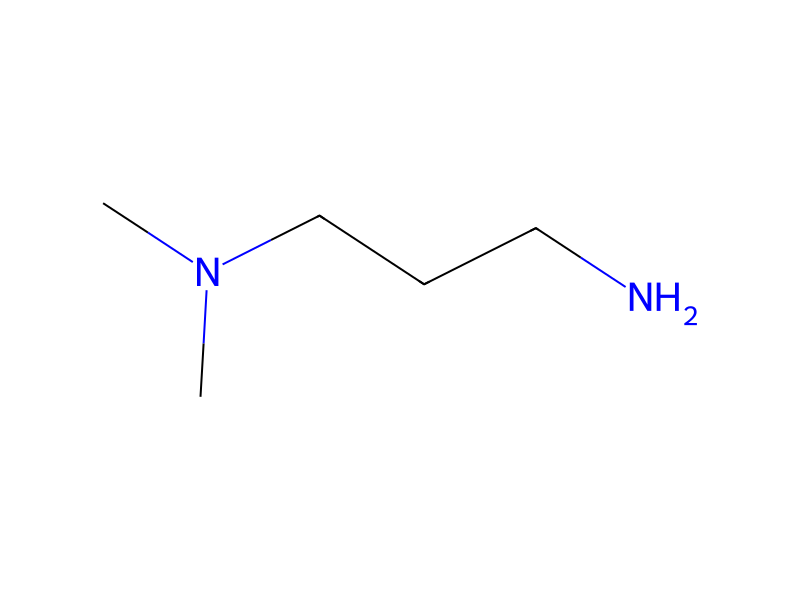


Procedure
Behenic acid (LUNAC BA, manufactured by Kao Corporation) and dimethyl aminopropylamine were subjected as starting materials to amidation reaction to give behenic acid dimethylaminopropylamide. The purity was 98%, and other components include unreacted behenic acid, unreacted amine, water, etc. The composition of the fatty acid residue (R4CO) was C17H35CO/C19H39CO/C21H43CO/C23H47CO=1%/9%/88%/2%.
Workup
- customto amidation reaction
Sources & evidence
- ORD record
- ord-6af1264eecb24c29b7b8bd818180c895
- Source dataset
- uspto-grants-2010_08
- Patent number
- US07780956B2
Reaction notes
Loading…