2-Methyl-2-butene → HCID 86723411, compound
Reaction equation

[NH2:1][C:2]1[C:7]([F:8])=[C:6]([CH:9]2[CH2:12][CH2:11][CH2:10]2)[N:5]=[C:4]([CH:13]=[O:14])[C:3]=1[Cl:15].CC(=CC)C.P([O-])([O-])(O)=[O:22].[Na+].[Na+].Cl([O-])=O.[Na+]>O.C(O)(C)(C)C>[NH2:1][C:2]1[C:7]([F:8])=[C:6]([CH:9]2[CH2:10][CH2:11][CH2:12]2)[N:5]=[C:4]([C:13]([OH:22])=[O:14])[C:3]=1[Cl:15]Participants
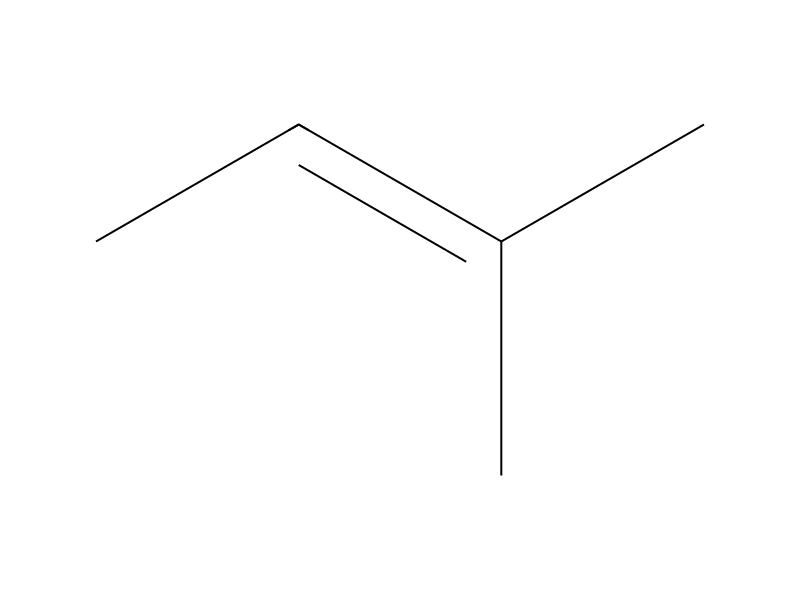
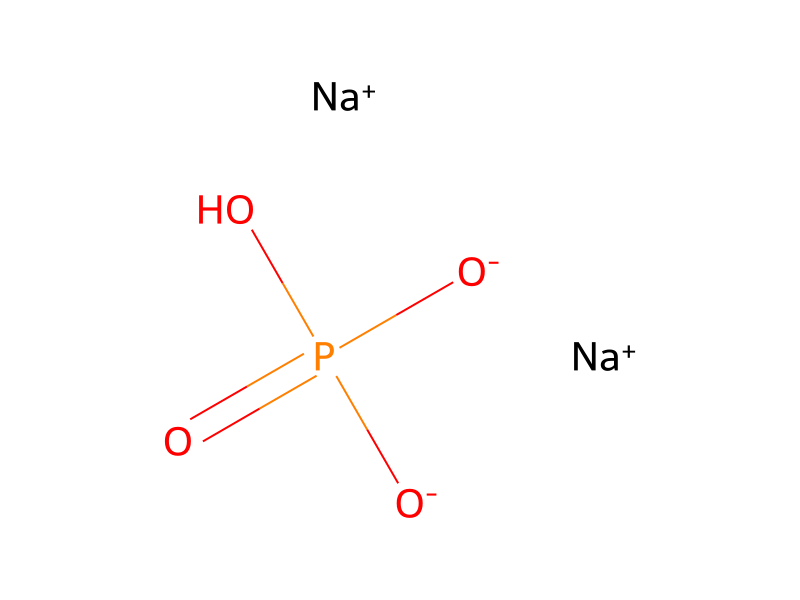
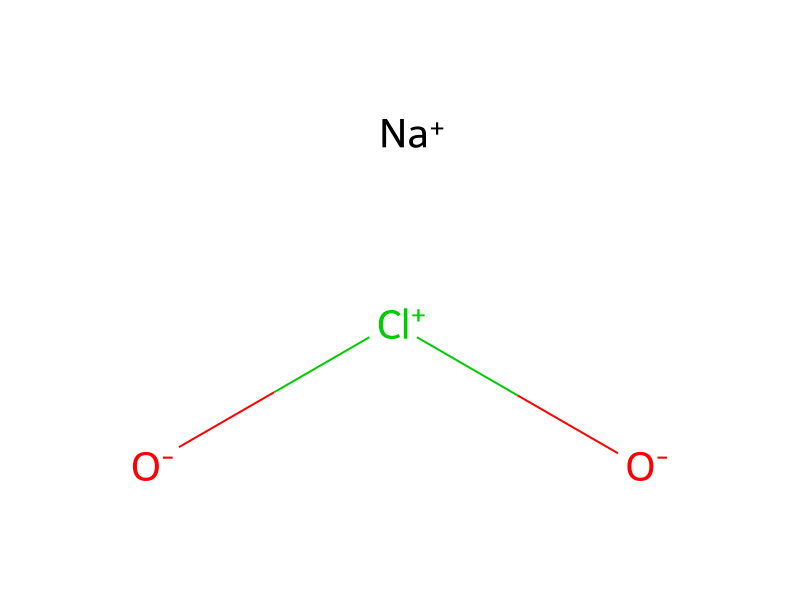




Conditions
- Temperature
- 70 °C
Procedure
A microwave vial equipped with a magnetic stir bar was charged with 4-amino-3-chloro-6-cyclobutyl-5-fluoropicolinaldehyde (209 mg, 0.914 mmol) and t-butanol (4.57 mL). The mixture was treated with water (1.523 mL), 2-methylbut-2-ene (0.8 mL, 0.914 mmol), sodium hydrogenphosphate (260 mg, 1.828 mmol), and finally sodium chlorite (248 mg, 2.74 mmol) was added in one portion. The mixture was heated to 70° C. in the microwave for 2 h. After stiffing at room temperature overnight, an aliquot of the reaction mixture was analyzed by LC-MS. LC-MS analysis showed one major product with the correct mass for the desired product. The reaction mixture was diluted with EtOAc (15 mL) and washed with 1 M HCl (1×5 mL), H2O (1×5 mL) and saturated NaCl (1×5 mL). The organic phase was dried (Na2SO4), filtered and concentrated in vacuo. The crude residue was triturated with Et2O and the Et2O removed giving 4-amino-3-chloro-6-cyclobutyl-5-fluoropicolinic acid (94 mg, 39.9%) as a yellow solid: 1H NMR (400 MHz, CDCl3) 11.60 (s, 1H), δ 4.94 (d, J=18.2 Hz, 2H), 3.86 (ttdd, J=9.1, 8.2, 2.1, 1.0 Hz, 1H), 2.35 (dddd, J=13.1, 6.9, 3.4, 1.8 Hz, 3H), 2.12 (m, 2H), 1.95 (m, 2H); 19F NMR (376 MHz, CDCl3) δ −140.30; ESIMS m/z 243 ([M−H]−).
Workup
- customA microwave vial equipped with a magnetic stir bar
- additionwas added in one portion
Sources & evidence
- ORD record
- ord-8271c1650e734073be9f36f8b356b729
- Source dataset
- uspto-grants-2015_08
- Patent number
- US09096526B2
Reaction notes
Loading…