Sodium Hydroxide → 3-Chloro-6-(3-methyl-1,2,4-thiadiazol-5-yl)pyridazine
Reaction equation

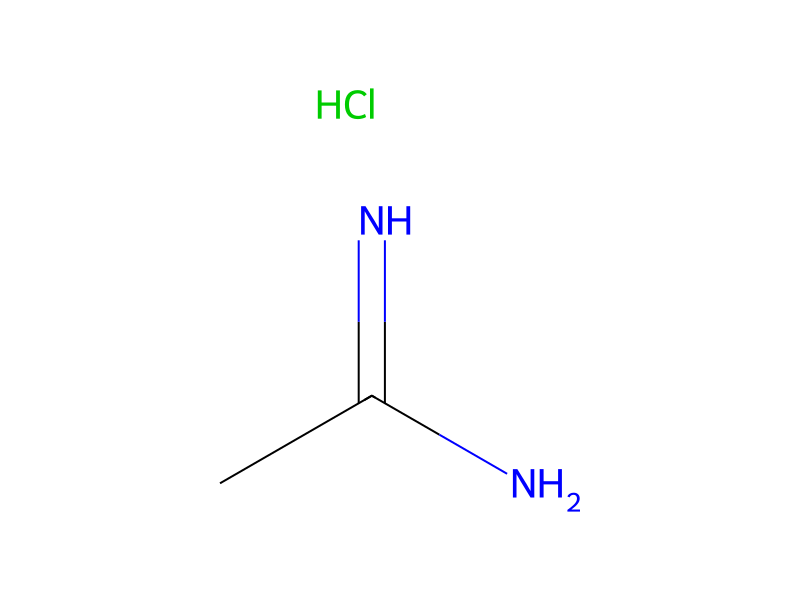
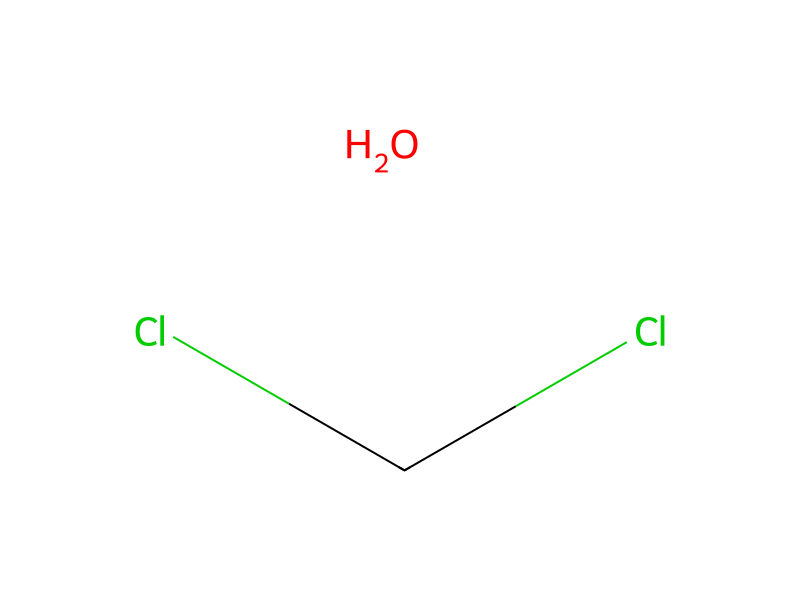
[Cl:1][C:2]1[N:3]=[N:4][C:5]([CH3:8])=[CH:6][CH:7]=1.O=[S:10](Cl)Cl.Cl.[C:14](=[NH:17])([NH2:16])[CH3:15].[OH-].[Na+]>C(Cl)Cl.O>[Cl:1][C:2]1[N:3]=[N:4][C:5]([C:8]2[S:10][N:16]=[C:14]([CH3:15])[N:17]=2)=[CH:6][CH:7]=1Participants




Conditions
- Temperature
- 74 °C
Procedure
To 3-chloro-6-methylpyridazine (5 g, 39 mmol) was added SOCl2 (29 mL) and the resulting mixture was heated at 73-75° C. for 20 h. The resulting mixture then was concentrated and the residue was dried in vacuo for 30 min. The residue was then dissolved in CH2Cl2 (80 mL) and ethanimidamide hydrochloride (3.69 g, 39 mmol) was added. 50% NaOH(aq) (10 mL) was then added dropwise at 0° C. The resulting mixture was allowed to warm to room temperature and stirred for another 1 h. The resulting mixture was then poured into CH2Cl2/H2O (100 mL/200 mL). The aqueous layer was extracted with CH2Cl2 (200 mL). The combined organic layer was dried (Na2SO4) and filtered. The solvent was removed and the resulting residue was purified by column using EtOAc/CH2Cl2/hexane (40/10/50) as the eluent to yield 5-(6-chloropyridazin-3-yl)-3-methyl-1,2,4-thiadiazole.
Workup
- concentrationThe resulting mixture then was concentrated
- customthe residue was dried in vacuo for 30 min
- dissolutionThe residue was then dissolved in CH2Cl2 (80 mL)
- temperatureto warm to room temperature
- extractionThe aqueous layer was extracted with CH2Cl2 (200 mL)
- dry with materialThe combined organic layer was dried (Na2SO4)
- filtrationfiltered
- customThe solvent was removed
- customthe resulting residue was purified by column
Sources & evidence
- ORD record
- ord-96dd8324d3b64eaf8b3e59b6518cf242
- Source dataset
- uspto-grants-2015_08
- Patent number
- US09102669B2
Reaction notes
Loading…