HCID 118022928, compound → 3-(3-chloro-1H-pyrazol-1-yl)pyridine
Reaction equation

[Cl:1][C:2]1[CH2:6][CH2:5][N:4]([C:7]2[CH:8]=[N:9][CH:10]=[CH:11][CH:12]=2)[N:3]=1>[O-2].[Mn+4].[O-2]>[Cl:1][C:2]1[CH:6]=[CH:5][N:4]([C:7]2[CH:8]=[N:9][CH:10]=[CH:11][CH:12]=2)[N:3]=1Participants
Reactant 1

Product 1

Reagents, catalysts & solvents 1
Procedure
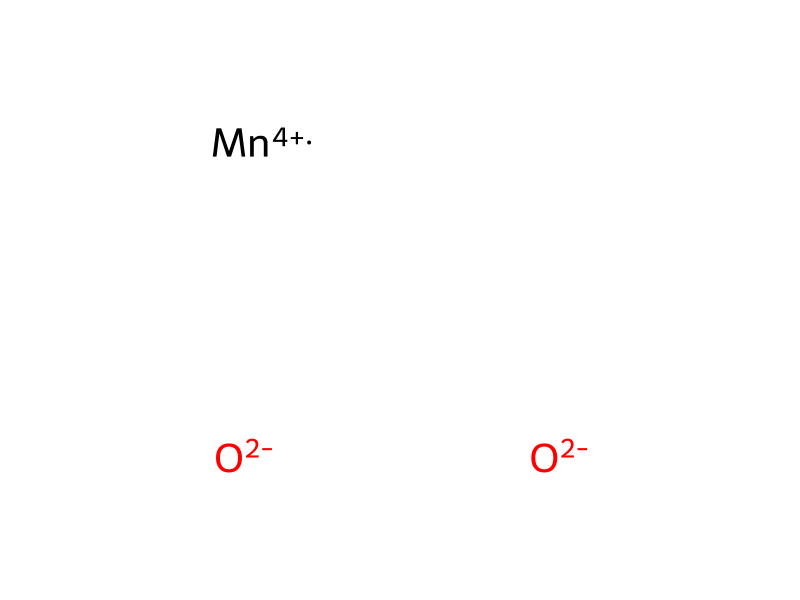
3-(3-Chloro-1H-pyrazol-1-yl)pyridine (5b) may also be prepared through a three step, no isolation reaction sequence as disclosed in Scheme 6. In step a2, 3-hydrazinopyridine dihydrochloride is reacted with methyl acrylate in the presence of a base such as sodium methoxide or sodium ethoxide to yield 1-(pyridin-3-yl)pyrazolidin-3-one, followed by chlorination of 1-(pyridine-3-yl)pyrazolidin-3-one with phosphoryl chloride in a two-step process to yield 3-chloro-dihydropryazole (5a). In step b2, 3-(3-chloro-4,5-dihydro-1H-pyrazol-1-yl)pyridine (5a) is reacted with manganese (IV) oxide to yield the product (5b). Subsequent treatment of (5b) with an acid such as hydrochloric acid may provide the salt of the product (5b). The first step may be conducted in a polar protic solvent such as methanol or ethanol, at a temperature from about 40° C. to about 80° C. The second step may be conducted in a solvent such as chlorobenzene at a temperature from about 70° C. to about 90° C. The third step may be conducted in a solvent such as chlorobenzene at a temperature from about 70° C. to about 110° C.
Sources & evidence
- ORD record
- ord-e9d72ec94536494cb6ded7e7131547c8
- Source dataset
- uspto-grants-2015_08
- Patent number
- US09108946B2
Reaction notes
Loading…