Glyoxal → 7-Bromoquinoxalin-5-ol
Reaction equation

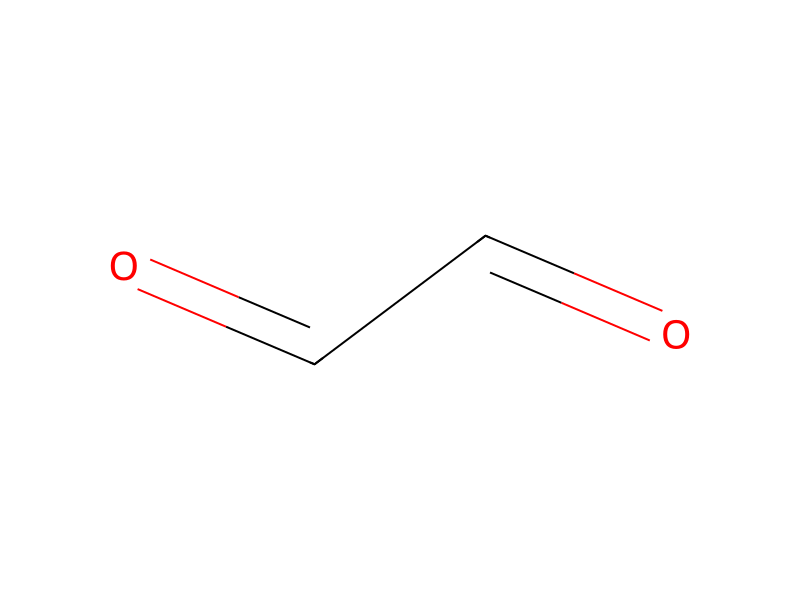
[NH2:1][C:2]1[C:7]([NH2:8])=[CH:6][C:5]([Br:9])=[CH:4][C:3]=1[OH:10].[CH:11]([CH:13]=O)=O>CO>[Br:9][C:5]1[CH:4]=[C:3]([OH:10])[C:2]2[N:1]=[CH:11][CH:13]=[N:8][C:7]=2[CH:6]=1Participants
4
Reactant 2

Product 1

Reagents, catalysts & solvents 1

Procedure
As shown in step 6-v of Scheme 6, 2,3-diamino-5-bromophenol (6.0 g, 29.5 mmol) was dissolved in methanol and to this solution was added glyoxal (3.77 g, 2.98 mL, 64.9 mmol) and stirred overnight. The reaction mixture was concentrated under reduced pressure to a minimum volume and the resulting tan solid collected by filtration and dried under high vacuum to produce 7-bromoquinoxalin-5-ol (compound 1017), which was used as is in subsequent reactions without further purification.
Workup
- concentrationThe reaction mixture was concentrated under reduced pressure to a minimum volume
- filtrationthe resulting tan solid collected by filtration
- customdried under high vacuum
Sources & evidence
- ORD record
- ord-7f92decef4154d75861156ca66c881bc
- Source dataset
- uspto-grants-2016_05
- Patent number
- US09340557B2
Reaction notes
Loading…