Sodium Carbonate → 4-(4-Bromophenyl)pyridine
Reaction equation

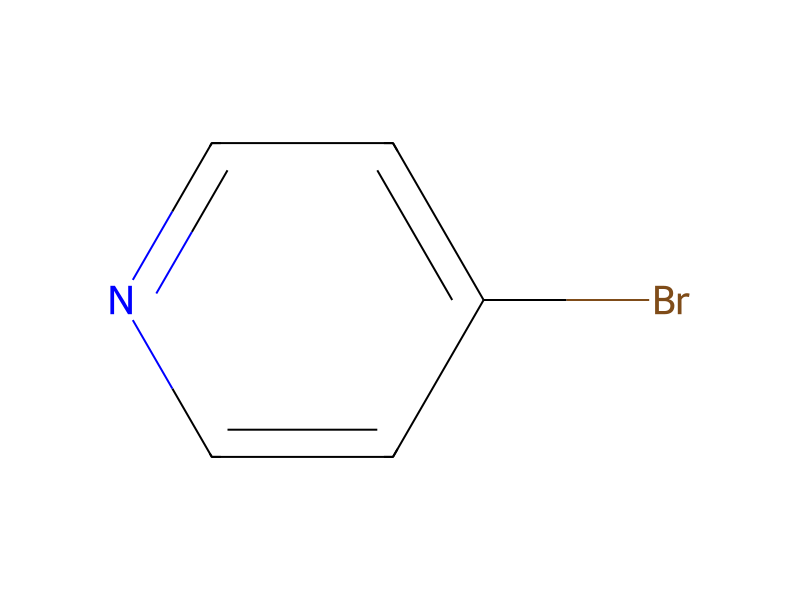
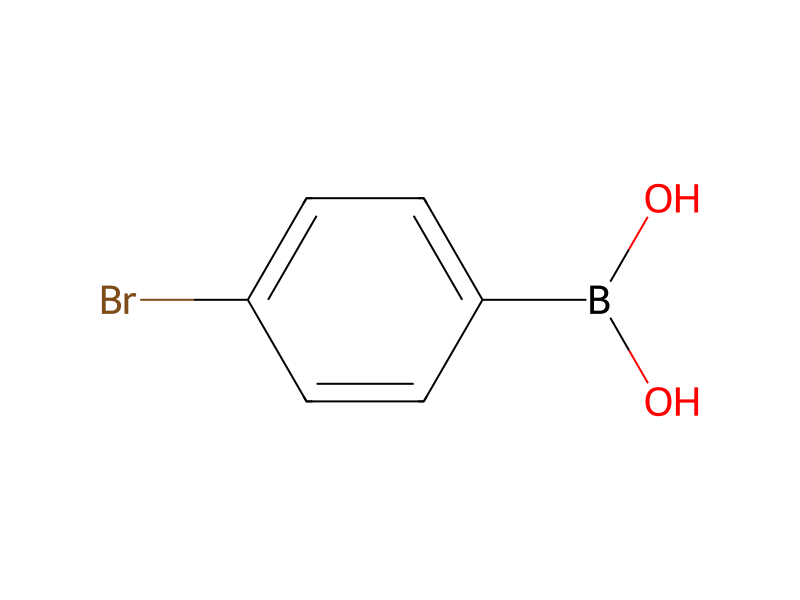
Br[C:2]1[CH:7]=[CH:6][N:5]=[CH:4][CH:3]=1.[Br:8][C:9]1[CH:14]=[CH:13][C:12](B(O)O)=[CH:11][CH:10]=1.C(=O)([O-])[O-].[Na+].[Na+]>C1C=CC([P]([Pd]([P](C2C=CC=CC=2)(C2C=CC=CC=2)C2C=CC=CC=2)([P](C2C=CC=CC=2)(C2C=CC=CC=2)C2C=CC=CC=2)[P](C2C=CC=CC=2)(C2C=CC=CC=2)C2C=CC=CC=2)(C2C=CC=CC=2)C2C=CC=CC=2)=CC=1.C1(C)C=CC=CC=1.C(O)C.O>[Br:8][C:9]1[CH:14]=[CH:13][C:12]([C:2]2[CH:7]=[CH:6][N:5]=[CH:4][CH:3]=2)=[CH:11][CH:10]=1Participants
6




Procedure
Using similar reaction conditions as described in step i of intermediate 9, 4-bromo pyridine (2 g, 8.44 mmol) was coupled with (4-bromophenyl) boronic acid (1 g, 9.2 mmol) in sodium carbonate (3.57 g, 33.7 mmol), Pd(PPh3)4 (487 mg, 0.422 mmol) and toluene/ethanol/water (50/50/20 ml) to afford 2.2 g of the crude product which was taken as such for next reaction. LCMS: 235.9 m/z=(M+2).
Workup
- customreaction conditions
Sources & evidence
- ORD record
- ord-474f1e7f111f4e5daaff9b4cc891bfe0
- Source dataset
- uspto-grants-2016_05
- Patent number
- US09353107B2
Reaction notes
Loading…