Hydrochloric Acid → (S)-1-(2,6-dichloro-3-fluorophenyl)ethanol
Reaction equation

Cl.S([O-])([O-])(=O)=O.[Mg+2].O=C[C@@H]([C@H]([C@@H]([C@@H](CO)O)O)O)O.[OH-].[Na+].[Cl:22][C:23]1[C:28]([F:29])=[CH:27][CH:26]=[C:25]([Cl:30])[C:24]=1[C:31](=[O:33])[CH3:32]>N(CCO)(CCO)CCO.O>[Cl:22][C:23]1[C:28]([F:29])=[CH:27][CH:26]=[C:25]([Cl:30])[C:24]=1[C@@H:31]([OH:33])[CH3:32]Participants
Reactant 5




Product 1

Reagents, catalysts & solvents 2


Conditions
- Temperature
- 30 °C
Procedure
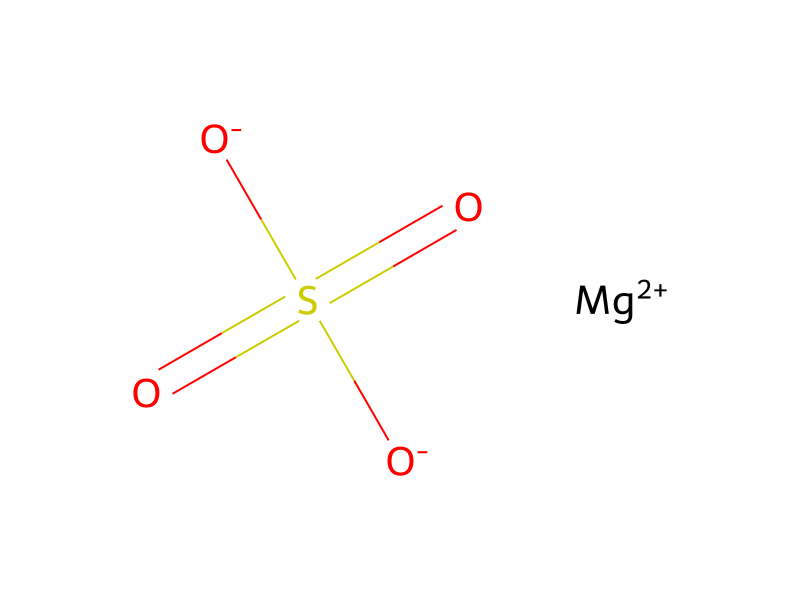
To a 500 mL jacketed three neck round bottom flask equipped with an Ace Glass mechanical stirrer (75 mm diameter teflon stirrer blade), and a pH electrode connected to an automatic titrator for pH-controlled addition of base on-demand via a delivery tube into the vessel, was added water (120 mL), triethanolamine (1.8 g) and then hydrochloric acid to adjust the pH to 7.0. Magnesium sulfate was added as a 1M solution (120 μL, 0.12 mmoles, 14.4 mg of MgSO4). The solution was heated to 30° C. with heating fluid circulating through the flask's jacket. Glucose (20 g) was added followed by Na-NADP (120 mg), GDH (0.50 g) and KRED having SEQ ID No. 38 (0.50 g). The pH stat was set to maintain the pH at 7.0±0.1 by the addition of 4N NaOH through the delivery tube. 2′,6′-dichloro-3′-fluoroacetophenone (50 g) was added to start the reaction. The electrode required periodic rinsing to remove enzyme derived material. Additional glucose was added in portions as the reaction proceeded: 10 g at 104 min (after 17.5 mL of 4 N NaOH had been added), 5 g at 275 min (after 35.2 mL of 4 N NaOH had been added), 5 g at 379 min (after 42 mL of 4 N NaOH had been added), and 8 g at 488 min (after 47 mL of 4 N NaOH had been added). The reaction was stopped after 24 hr. Heptane (150 mL) was then added and the mixture was heated to 40° C. for 45 min. After cooling to 30° C. the resulting mixture was poured into a separatory funnel and the majority of the bottom aqueous layer was drained. The top layer, a heptane emulsion, was filtered (350 mL, 85 mm diameter coarse filter) through a celite pad under vacuum. The filter was washed with heptane (150 mL) and the filtrate was transferred to a separatory funnel and the two phases were separated. The heptane phase was concentrated on a rotary vacuum evaporator (˜50° C., ˜150 mmHg increasing to 40 mmHg) to yield (S)-1-[2′,6′-dichloro-3′-fluorophenyl]-ethanol as an oil (47.8 g, 94%) which crystallized upon standing.
Workup
- additiona pH electrode connected to an automatic titrator for pH-controlled addition of base on-demand via a delivery tube into the vessel
- temperaturewith heating fluid
- temperatureto maintain the pH at 7.0±0.1
- customthe reaction
- washThe electrode required periodic rinsing
- customto remove enzyme
- additionAdditional glucose was added in portions as the reaction
- addition10 g at 104 min (after 17.5 mL of 4 N NaOH had been added), 5 g at 275 min
- addition(after 35.2 mL of 4 N NaOH had been added), 5 g at 379 min
- addition(after 42 mL of 4 N NaOH had been added), and 8 g at 488 min
- addition(after 47 mL of 4 N NaOH had been added)
- additionHeptane (150 mL) was then added
- temperaturethe mixture was heated to 40° C. for 45 min
- temperatureAfter cooling to 30° C. the resulting mixture
- additionwas poured into a separatory funnel
- filtrationThe top layer, a heptane emulsion, was filtered
- filtration(350 mL, 85 mm diameter coarse filter) through a celite pad under vacuum
- washThe filter was washed with heptane (150 mL)
- customthe filtrate was transferred to a separatory funnel
- customthe two phases were separated
- concentrationThe heptane phase was concentrated on a rotary vacuum evaporator (˜50° C., ˜150 mmHg increasing to 40 mmHg)
Sources & evidence
- ORD record
- ord-ed2ade4bb0684f9086fd69b8746d1848
- Source dataset
- uspto-grants-2014_10
- Patent number
- US08852909B2
Reaction notes
Loading…