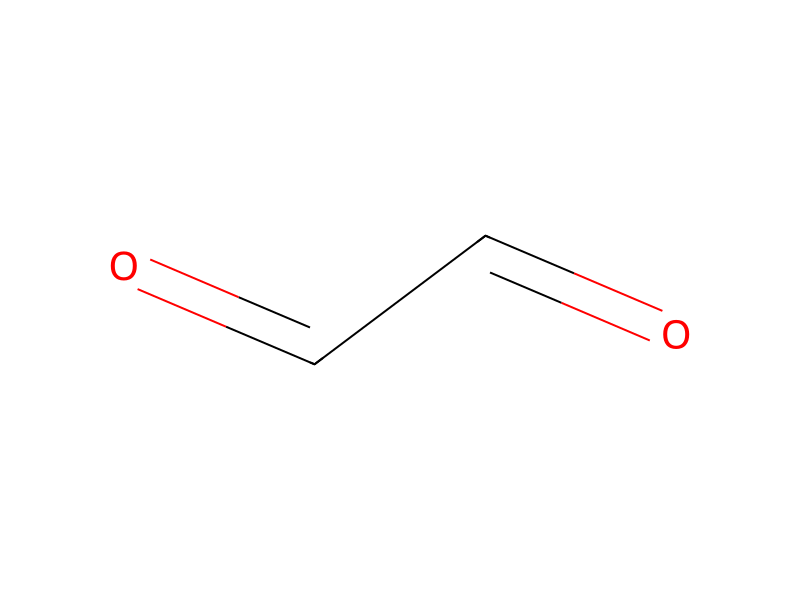
Glyoxal → HCID 58124001, compound
Reaction equation

[CH:1]([CH:3]=O)=O.[NH2:5][C:6]1[C:27]([NH2:28])=[CH:26][C:9]2[CH2:10][C@@H:11]3[C:16]([CH3:18])([CH3:17])[C@:15]([CH3:19])([C:8]=2[CH:7]=1)[CH2:14][CH2:13][N:12]3C(=O)C(F)(F)F>C(O)C>[CH3:19][C@@:15]12[C:16]([CH3:18])([CH3:17])[C@@H:11]([CH2:10][C:9]3[CH:26]=[C:27]4[N:28]=[CH:1][CH:3]=[N:5][C:6]4=[CH:7][C:8]=31)[NH:12][CH2:13][CH2:14]2Participants
Reactant 2

Product 1

Reagents, catalysts & solvents 1

Procedure
Glyoxal (40% in water, 95 μL) is added to (2R,6S)-1-(8,9-diamino-6,11,11-trimethyl-1,2,5,6-tetrahydro-4H-2,6-methano-benzo[d]azocin-3-yl)-2,2,2-trifluoro-ethanone (260 mg) dissolved in ethanol (3 mL) and chilled in an ice bath. The cooling bath is removed and the solution is stirred at ambient temperature overnight. Then, the solution is concentrated and the residue is taken up in methanol (1 mL) and treated with 4 M aqueous NaOH solution (0.38 mL). After stirring at ambient temperature overnight, brine is added and the resulting mixture is extracted with ethyl acetate. The combined organic extracts are washed with brine, dried (MgSO4), and the solvent is removed under reduced pressure to give the crude title compound that is used without further purification.
Workup
- temperaturechilled in an ice bath
- customThe cooling bath is removed
- concentrationThen, the solution is concentrated
- additiontreated with 4 M aqueous NaOH solution (0.38 mL)
- stirringAfter stirring at ambient temperature overnight
- additionbrine is added
- extractionthe resulting mixture is extracted with ethyl acetate
- washThe combined organic extracts are washed with brine
- dry with materialdried (MgSO4)
- customthe solvent is removed under reduced pressure
Sources & evidence
- ORD record
- ord-1f2aecce80324fdf9c0a942780039815
- Source dataset
- uspto-grants-2014_10
- Patent number
- US08859580B2
Reaction notes
Loading…