Water → 6-bromo-2-isopropyl-4-nitro-1H-benzo[d]imidazole
Reaction equation

[Br:1][C:2]1[CH:7]=[C:6]([NH2:8])[C:5]([NH2:9])=[C:4]([N+:10]([O-:12])=[O:11])[CH:3]=1.O.C([O-])([O-])=O.[Na+].[Na+].[C:20](O)(=O)[CH:21]([CH3:23])[CH3:22]>>[Br:1][C:2]1[CH:3]=[C:4]([N+:10]([O-:12])=[O:11])[C:5]2[N:9]=[C:20]([CH:21]([CH3:23])[CH3:22])[NH:8][C:6]=2[CH:7]=1Participants

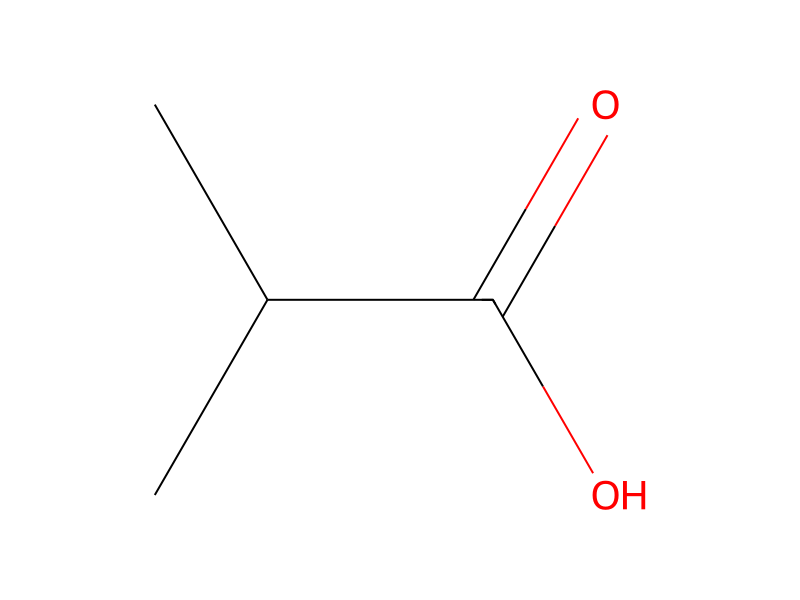



Conditions
- Temperature
- 120 °C
Procedure
A mixture of 5-bromo-3-nitrobenzene-1,2-diamine (prepared following the same procedure as for Example 1, 5.0 g) in isobutyric acid (20 mL) was stirred at 120° C. overnight. The mixture was cooled to room temperature and poured into water (100 mL). The pH was neutralized with aqueous Na2CO3 solution. It was then extracted with EtOAc and the organic layer was washed with water and brine, dried over anhydrous MgSO4, filtered and concentrated in-vacuo. The residue was then purified by silica gel chromatography eluted with EtOAc:petroleum ether=1:1 to afford the desired product as a yellow solid (4.7 g, 77%). 1H NMR (300 MHz, CDCl3) δ ppm 1.51 (m, 6H, J=6.9 Hz), 3.32 (m, 1H, J=6.9 Hz), 8.16 (d, 1H, J=1.5 Hz), 8.25 (d, 1H, J=1.5 Hz), 10.26 (br s, 1H); LC-MS: m/e=284 [M+1]+
Workup
- customprepared
- temperatureThe mixture was cooled to room temperature
- extractionIt was then extracted with EtOAc
- washthe organic layer was washed with water and brine
- dry with materialdried over anhydrous MgSO4
- filtrationfiltered
- concentrationconcentrated in-vacuo
- customThe residue was then purified by silica gel chromatography
- washeluted with EtOAc
Sources & evidence
- ORD record
- ord-bc1c3b9cb72d4968a5b602ba981b51c1
- Source dataset
- uspto-grants-2014_10
- Patent number
- US08865912B2
Reaction notes
Loading…