Cyanogen Bromide → 8-chloro-6,11-dihydro-11-(1-cyano-4-piperidylidene)-5H-benzo[5,6]cyclohepta[1,2-b]pyridine
Reaction equation

[Cl:1][C:2]1[CH:3]=[CH:4][C:5]2[C:15](=[C:16]3[CH2:21][CH2:20][N:19]([CH3:22])[CH2:18][CH2:17]3)[C:10]3=[N:11][CH:12]=[CH:13][CH:14]=[C:9]3[CH2:8][CH2:7][C:6]=2[CH:23]=1.[N:24]#CBr>C1C=CC=CC=1>[Cl:1][C:2]1[CH:3]=[CH:4][C:5]2[C:15](=[C:16]3[CH2:17][CH2:18][N:19]([C:22]#[N:24])[CH2:20][CH2:21]3)[C:10]3=[N:11][CH:12]=[CH:13][CH:14]=[C:9]3[CH2:8][CH2:7][C:6]=2[CH:23]=1Participants
4
Reactant 2
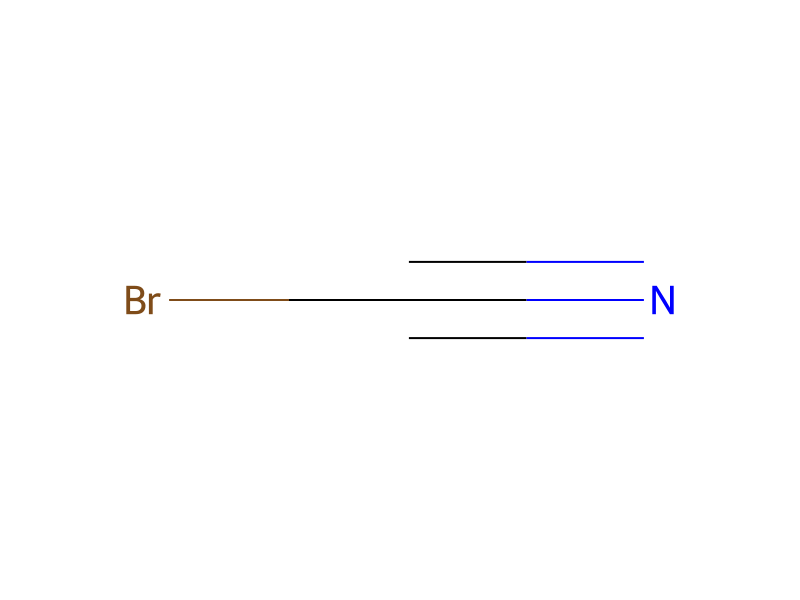

Product 1

Reagents, catalysts & solvents 1

Procedure
Dissolve 16.2 grams (0.05 mole) of 8-chloro-6,11-dihydro-11-(1-methyl-4-piperidylidene)-5H-benzo[5,6]cyclohepta[1,2-b]pyridine (prepared by the methods described in U.S. Pat. No. 3,326,924) in 300 mL of dry benzene. To this solution, add slowly under nitrogen a solution of cyanogen bromide (6.4 g) dissolved in 75 mL of benzene. Allow this mixture to stir at room temperature overnight (approximately 20 hours).
Workup
- customprepared by the methods
Sources & evidence
- ORD record
- ord-807035628ddf4d8e9b40eba71d44c2d1
- Source dataset
- uspto-grants-1987_04
- Patent number
- US04659716
Reaction notes
Loading…