Acetic Anhydride → 4-[(3-Bromophenyl)-N-acetylamino]-8-methyl-6-nitro-3-quinolinecarbonitrile
Reaction equation

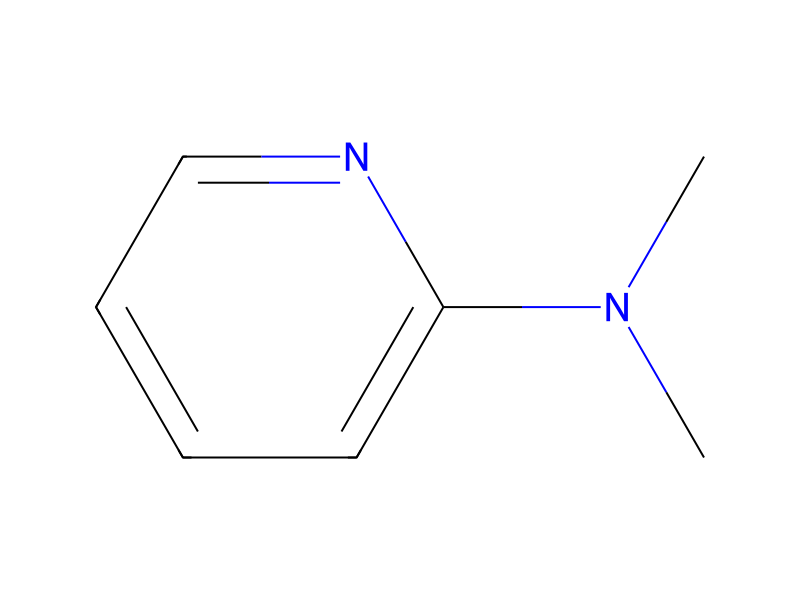
[Br:1][C:2]1[CH:3]=[C:4]([NH:8][C:9]2[C:18]3[C:13](=[C:14]([CH3:22])[CH:15]=[C:16]([N+:19]([O-:21])=[O:20])[CH:17]=3)[N:12]=[CH:11][C:10]=2[C:23]#[N:24])[CH:5]=[CH:6][CH:7]=1.CN(C1C=CC=CN=1)C.[C:34](OC(=O)C)(=[O:36])[CH3:35]>N1C=CC=CC=1>[Br:1][C:2]1[CH:3]=[C:4]([N:8]([C:9]2[C:18]3[C:13](=[C:14]([CH3:22])[CH:15]=[C:16]([N+:19]([O-:21])=[O:20])[CH:17]=3)[N:12]=[CH:11][C:10]=2[C:23]#[N:24])[C:34](=[O:36])[CH3:35])[CH:5]=[CH:6][CH:7]=1Participants
5




Procedure
A stirred mixture of 4-[(3-bromophenyl)amino]-8-methyl-6-nitro-quinoline-3-carbonitrile (15.3 g, 40 mmol), 0.37 g (3 mmol) of dimethylaminopyridine, 40 ml of acetic anhydride, and 80 ml of pyridine was refluxed for 3 h and concentrated at 50° C. under vacuum. The residue was stirred with methylene chloride and 0.1 N HCl. After filtration through Celite, the organic layer was washed with water, dried and concentrated. The residue was subjected to chromatography on silica gel with 1% acetic acid in methylene chloride to give 11.2 g of an amber glass, NMR (CDCl3) d 2.29 (N-acetyl group).
Workup
- temperaturewas refluxed for 3 h
- concentrationconcentrated at 50° C. under vacuum
- filtrationAfter filtration through Celite
- washthe organic layer was washed with water
- customdried
- concentrationconcentrated
Sources & evidence
- ORD record
- ord-12437c90127d489bbc0c907c68d71585
- Source dataset
- uspto-grants-2011_05
- Patent number
- USRE042376E1
Reaction notes
Loading…