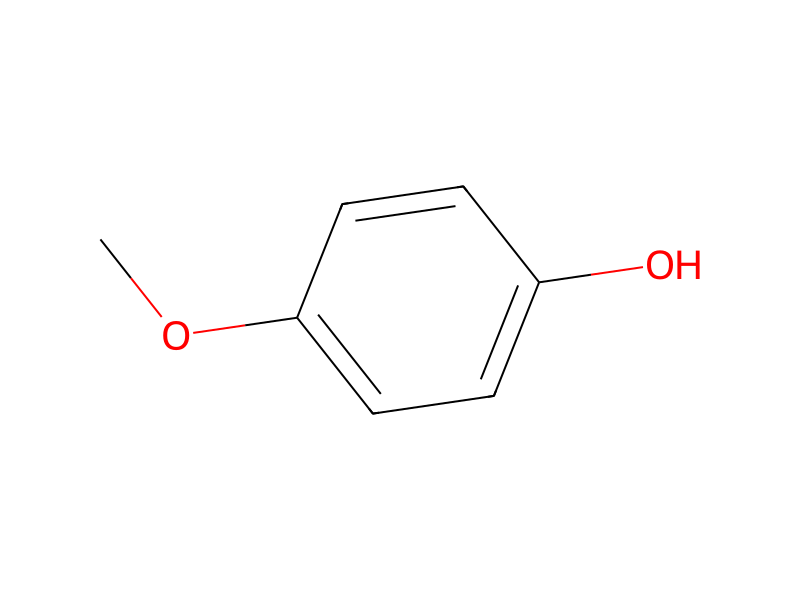
4-Methoxyphenol → 2-Ethylhexanol
Reaction equation

C(OCCO)(=O)C=C.C(C(CO)(C)C(O)=O)O.[C:18]([C:22]1[CH:27]=[C:26](C)[CH:25]=[C:24](C(C)(C)C)[C:23]=1[OH:33])(C)(C)[CH3:19].COC1C=CC(O)=CC=1.C([O-])(=O)NC(N)=O>C(O)CO>[CH2:18]([CH:22]([CH2:27][CH2:26][CH2:25][CH3:24])[CH2:23][OH:33])[CH3:19]Participants


Procedure
In a 4 l reaction vessel equipped with a stirrer, dropping funnel, thermometer and reflux condenser, 74.7 g of polycaprolactone (Capa 212 from Solvay, molar mass=1000 g/mol, OH number=113 mg KOH/g), 26.35 g of 1,2-ethanediol, 69.66 g of hydroxyethyl acrylate, 26.8 g of dimethylolpropionic acid, 0.088 g of 2,6-di-t-butyl-4-methylphenol and 0.047 g of hydroquinone monomethyl ether were stirred at a bath temperature of 75° C. Over the course of 60 minutes, 231.8 g of allophanate-modified polyisocyanate formed from hexamethylene 1,6-diisocyanate and 2-ethylhexanol (NCO content=17.2%, viscosity approximately 300 mPas) and 131 g of bis(4,4′-isocyanatocyclohexyl)methane were added dropwise. When the feed was at an end, 100 g of acetone were metered in. After 90 minutes 0.29 g of dibutyltin dilaurate was added dropwise. At an NCO content of 1.21% the batch was diluted with 201.97 g of acetone and neutralized with 76 g of 10% strength aqueous sodium hydroxide solution. Over the course of 20 minutes, 784.24 g of water were introduced dropwise into the polymer solution with stirring. Thereafter the acetone was distilled off under reduced pressure and the batch was diluted with 157.89 g of water.
Workup
- customIn a 4 l reaction vessel
- customequipped with a stirrer
- temperaturethermometer and reflux condenser
Sources & evidence
- ORD record
- ord-962f5e6198004983ae51a0af59da2442
- Source dataset
- uspto-grants-2011_11
- Patent number
- US08048937B2
Reaction notes
Loading…