N,N,N',N'-Tetramethylethylenediamine → 3-Methoxyaniline
Reaction equation

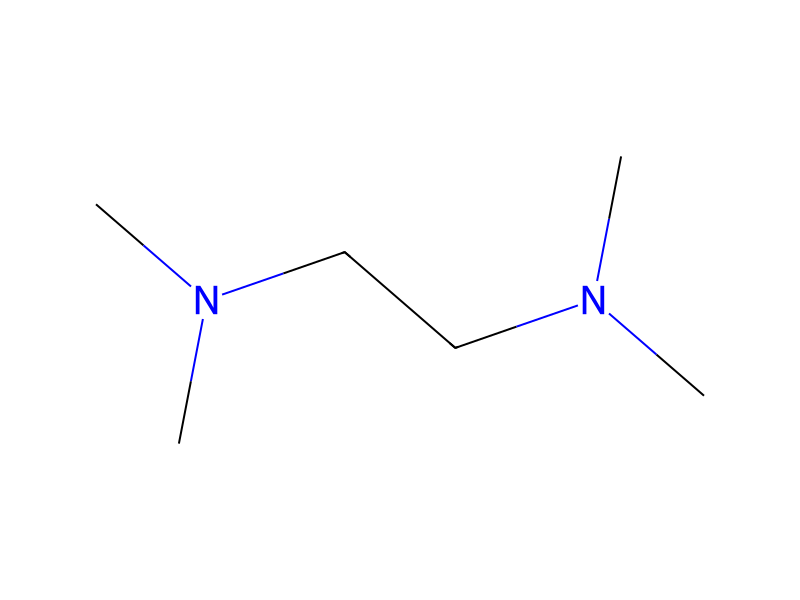
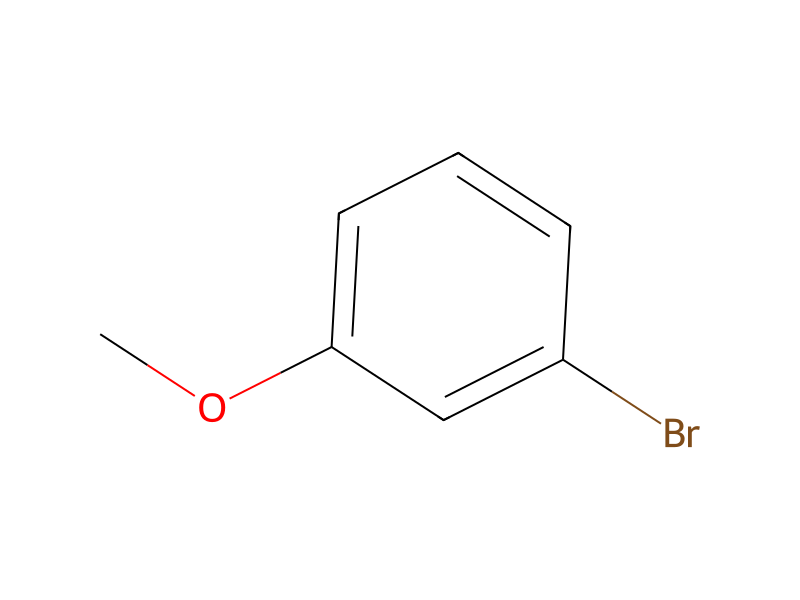
Br[C:2]1[CH:3]=[C:4]([O:8][CH3:9])[CH:5]=[CH:6][CH:7]=1.[NH2-].[Li+].C[N:13](CCN(C)C)C>COCCOC.[Cl-].[Zn+2].[Cl-]>[CH3:9][O:8][C:4]1[CH:3]=[C:2]([CH:7]=[CH:6][CH:5]=1)[NH2:13]Participants
Reactant 3

Product 1

Reagents, catalysts & solvents 2


Procedure
The advantageous effect of adding zinc chloride to an amination reaction was demonstrated in the amination reaction of 3-bromoanisole, the results of which are summarized in Table 10. When 3-bromoanisole was reacted under the standard lithium amide amination conditions, using lithium amide (10 eq.) in the presence of (CyPF-t-Bu)PdCl2 (1 mol %) in DME gave a complicated mixture of products was obtained (Table 10, Entry 1). When conducted in the presence of zinc chloride and TMEDA, however, the reaction could successfully gave the desired monoarylation product, 3-methoxyaniline, although at high concentrations N,N-dimethyl-3-methoxyaniline was formed in a significant amount as a by-product (Table 10, Entries 3 and 4). Under optimized conditions (Table 10, Entries 8 and 9), 3-methoxyaniline was formed selectively in good yield.
Workup
- customthe results of which
- customgave
- additiona complicated mixture of products
- customwas obtained (Table 10, Entry 1)
- customhowever, the reaction
Sources & evidence
- ORD record
- ord-3f73894ea6ed4a4e96212d38581009ea
- Source dataset
- uspto-grants-2011_11
- Patent number
- US08058477B2
Reaction notes
Loading…