Pyridine → Ethyl 3-methyl-5-(phenoxycarbonylamino)thiophene-2-carboxylate
Reaction equation

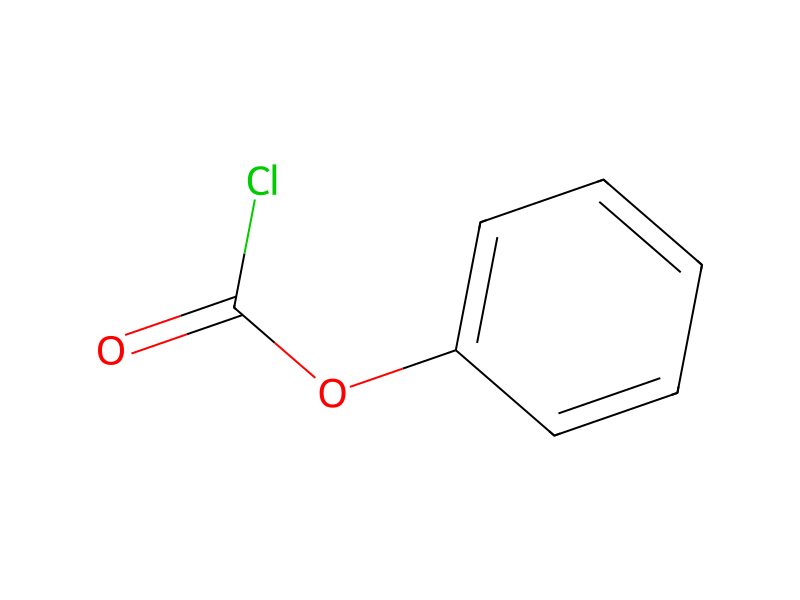
[NH2:1][C:2]1[S:6][C:5]([C:7]([O-:9])=[O:8])=[C:4]([CH3:10])[CH:3]=1.N1C=CC=[CH:13][CH:12]=1.Cl[C:18]([O:20][C:21]1[CH:26]=[CH:25][CH:24]=[CH:23][CH:22]=1)=[O:19]>ClCCl>[CH3:10][C:4]1[CH:3]=[C:2]([NH:1][C:18]([O:20][C:21]2[CH:26]=[CH:25][CH:24]=[CH:23][CH:22]=2)=[O:19])[S:6][C:5]=1[C:7]([O:9][CH2:12][CH3:13])=[O:8]Participants
5




Procedure
To a stirred mixture of 5-amino-3-methylthiophene-2-carboxylate (11.87 g, 64.08 mmol) and pyridine (5.70 mL, 70.48 mml) in dichloromethane (140 mL) at 0° C. was added dropwise phenyl chloroformate (8.90 mL, 70.71 mmol). The resulting reaction mixture was stirred at ambient temperature for 30 minutes, and then quenched with water (200 mL). The aqueous layer was extracted with dichloromethane (2×200 mL), and the combined organic layer was dried over sodium sulfate, filtered and concentrated in vacuo. The residue was triturated with dichloromethane in hexanes to afford ethyl 3-methyl-5-(phenoxycarbonylamino)thiophene-2-carboxylate as a colorless solid (18.89 g, 96%): MS (ES+) m/z 306.1 (M+1).
Workup
- customThe resulting reaction mixture
- customquenched with water (200 mL)
- extractionThe aqueous layer was extracted with dichloromethane (2×200 mL)
- dry with materialthe combined organic layer was dried over sodium sulfate
- filtrationfiltered
- concentrationconcentrated in vacuo
- customThe residue was triturated with dichloromethane in hexanes
Sources & evidence
- ORD record
- ord-6df8a461fd9749b2acf2f8a0b5939cae
- Source dataset
- uspto-grants-2011_11
- Patent number
- US08063084B2
Reaction notes
Loading…