Water → (4-Chlorophenyl)(4-methoxyphenyl)methanol
Reaction equation

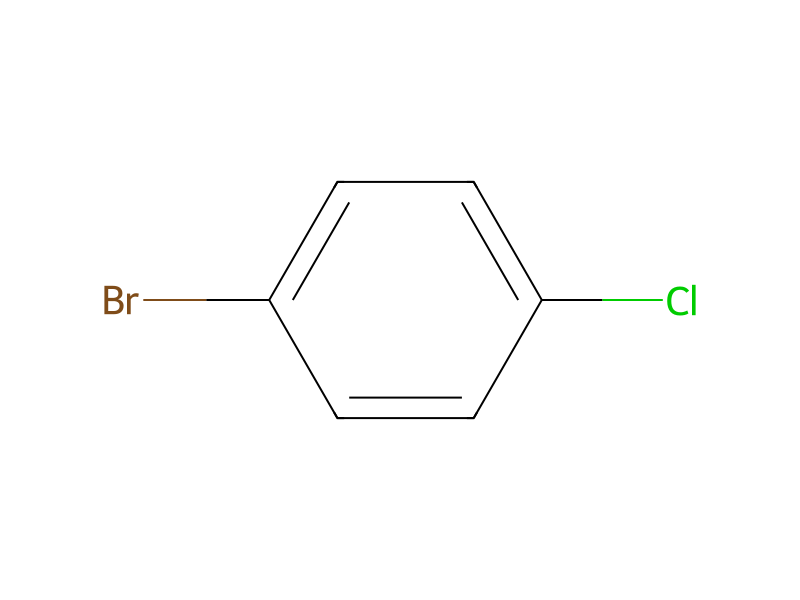
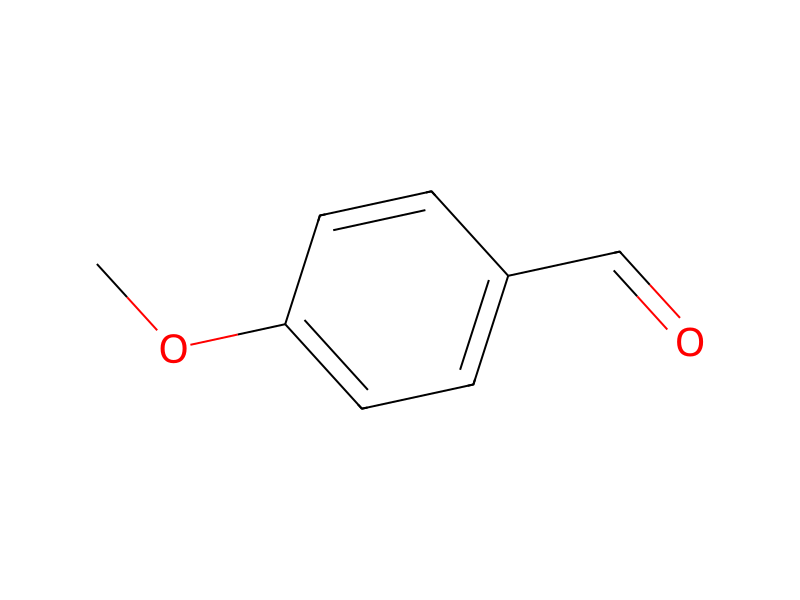
[Cl:1][C:2]1[CH:7]=[CH:6][C:5](Br)=[CH:4][CH:3]=1.C([Li])CCC.[CH3:14][O:15][C:16]1[CH:23]=[CH:22][C:19]([CH:20]=[O:21])=[CH:18][CH:17]=1.O>O1CCCC1.CCCCCC.C(OCC)(=O)C>[Cl:1][C:2]1[CH:7]=[CH:6][C:5]([CH:20]([C:19]2[CH:22]=[CH:23][C:16]([O:15][CH3:14])=[CH:17][CH:18]=2)[OH:21])=[CH:4][CH:3]=1Participants






Procedure
5.00 g (26.12 mmol) of 4-chlorobromobenzene were dissolved in 100 ml of tetrahydrofuran at −78° C. Addition of 19.6 ml (31.34 mmol) of a 1.6N solution of n-butyllithium in hexane was followed by stirring for 15 min and then dropwise addition of 4.27 g (31.34 mmol) of 4-methoxybenzaldehyde dissolved in 30 ml of tetrahydrofuran. The mixture was stirred at −78° C. for 1 h, warmed to RT and then stirred for 1 h. The reaction solution was mixed with water and ethyl acetate and the phases were separated. The aqueous phase was extracted three times with ethyl acetate and the combined organic phases were washed with saturated aqueous sodium chloride solution and dried over sodium sulfate, and the solid was filtered. The solvents were removed in vacuo and the crude product was purified by preparative HPLC (mobile phase: acetonitrile/water gradient). Acetonitrile was removed from the product-containing fractions in a rotary evaporator, and the aqueous residue was extracted with dichloromethane. Removal of the solvent resulted in 4.20 g (65% of theory) of the title compound.
Workup
- stirringThe mixture was stirred at −78° C. for 1 h
- stirringstirred for 1 h
- customthe phases were separated
- extractionThe aqueous phase was extracted three times with ethyl acetate
- washthe combined organic phases were washed with saturated aqueous sodium chloride solution
- dry with materialdried over sodium sulfate
- filtrationthe solid was filtered
- customThe solvents were removed in vacuo
- customthe crude product was purified by preparative HPLC (mobile phase: acetonitrile/water gradient)
- customAcetonitrile was removed from the product-containing fractions in a rotary evaporator
- extractionthe aqueous residue was extracted with dichloromethane
- customRemoval of the solvent
Sources & evidence
- ORD record
- ord-c67eb8659b874972849675358232aedc
- Source dataset
- uspto-grants-2011_11
- Patent number
- US08063234B2
Reaction notes
Loading…