Ethyl 10-undecenoate → Ethyl 10-Bromodecanoate
Reaction equation

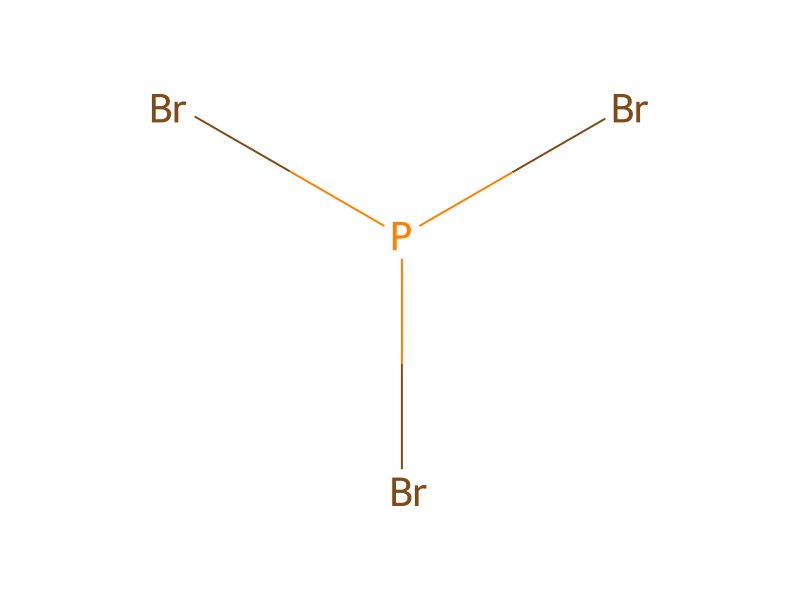
[CH3:1][CH2:2][O:3][C:4]([CH2:6][CH2:7][CH2:8][CH2:9][CH2:10][CH2:11][CH2:12][CH2:13][CH:14]=C)=[O:5].[BH4-].[Na+].OCCCCCCCCCC(OCC)=O.P(Br)(Br)[Br:34]>>[Br:34][CH2:14][CH2:13][CH2:12][CH2:11][CH2:10][CH2:9][CH2:8][CH2:7][CH2:6][C:4]([O:3][CH2:2][CH3:1])=[O:5]Participants
5




Procedure
The order of functionalization and esterification is not critical. For example, rather than performing an ozonolysis of the starting material, for example, 10-undecylenic acid, as described above, the starting material first may be esterified with ethanol or other alcohol to form an ester, for example, ethyl 10-undecylenate. Next, the ester can undergo functionalization by first ozonating the ester and then reducing the ozonide using, for example, sodium borohydride to form a hydroxylated ester, for example, ethyl 10-hydroxydecanoate. The hydroxylated ester finally is converted to the desired functionalized ester using, for example, PBr3 to form ethyl 10-bromodecanoate.
Sources & evidence
- ORD record
- ord-f01fe87e9ea34abfb07583586c143025
- Source dataset
- uspto-grants-2001_01
- Patent number
- US06175024B1
Reaction notes
Loading…