Pyridine → HCID 20150678, compound
Reaction equation

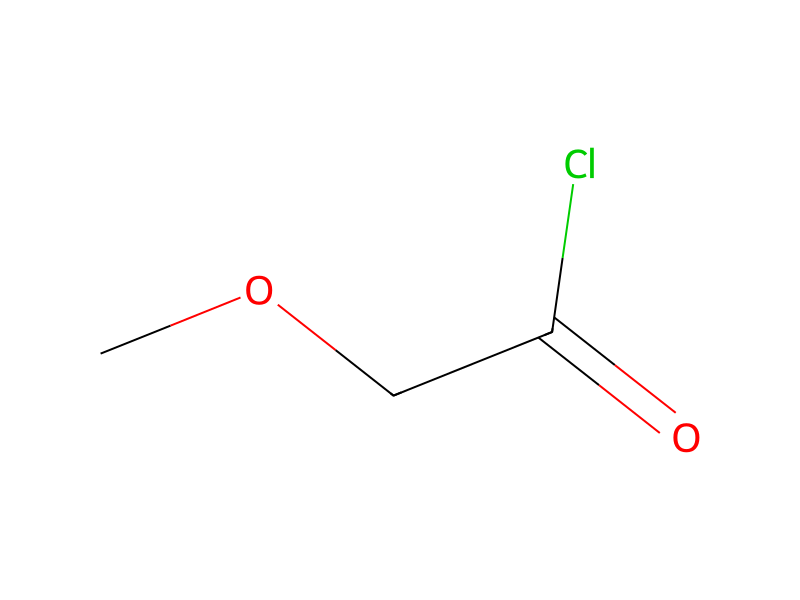
[CH3:1][O:2][CH2:3]C(Cl)=O.[CH3:7][C:8]1[CH:17]=[CH:16][C:15]2[C:10](=[CH:11][CH:12]=[CH:13][CH:14]=2)[C:9]=1[NH:18][CH:19]1[CH2:24][O:23][C:21](=[O:22])[CH2:20]1.N1C=CC=CC=1>ClCCl>[CH3:1][O:2][CH2:3][N:18]([CH:19]1[CH2:24][O:23][C:21](=[O:22])[CH2:20]1)[C:9]1[C:10]2[C:15](=[CH:14][CH:13]=[CH:12][CH:11]=2)[CH:16]=[CH:17][C:8]=1[CH3:7]Participants
5
Reactant 3


Product 1

Reagents, catalysts & solvents 1

Conditions
- Temperature
- 25 °C
Procedure
A 2.4 g (0.022 mol) sample of methoxyacetyl chloride was added dropwise to a solution of 5.5 g (0.022 mol) 3-(N-2-methylnaphth-1-ylamino)-gamma-butyrolactone and 1.7 g (0.022 mol) pyridine in 100 ml dichloromethane. The reaction mixture was stirred one hour at about 25° C. and then heated under reflux for 6 hours. After cooling overnight, the reaction mixture was washed successively with water, saturated sodium bicarbonate solution, water, dried over magnesium sulfate and evaporated under reduced pressure. The residue was chromatographed through a silica gel column. Elution with 25% acetone/75% petroleum ether gave 4.3 g of the product, m.p. 42°-46° C. The product is tabulated in Table C as Compound No. C-2.
Workup
- temperatureheated
- temperatureunder reflux for 6 hours
- temperatureAfter cooling overnight
- washthe reaction mixture was washed successively with water, saturated sodium bicarbonate solution, water
- dry with materialdried over magnesium sulfate
- customevaporated under reduced pressure
- customThe residue was chromatographed through a silica gel column
- washElution with 25% acetone/75% petroleum ether
Sources & evidence
- ORD record
- ord-7e898f00076a4f489574d97d105cc4c8
- Source dataset
- uspto-grants-1988_03
- Patent number
- US04728669
Reaction notes
Loading…