Ethylene Oxide → 4-Heptylbicyclo[3.3.0]octan-7-one
Reaction equation

Cl[C:2]1(Cl)[CH:8]2[CH:4]([CH:5]([CH2:9][CH2:10][CH2:11][CH2:12][CH2:13][CH2:14][CH3:15])[CH2:6][CH2:7]2)[C:3]1=[O:16].O1C[CH2:19]1>[Zn].C(O)(=O)C>[CH2:9]([CH:5]1[CH:4]2[CH:8]([CH2:2][C:3](=[O:16])[CH2:19]2)[CH2:7][CH2:6]1)[CH2:10][CH2:11][CH2:12][CH2:13][CH2:14][CH3:15]Participants
5
Reactant 2
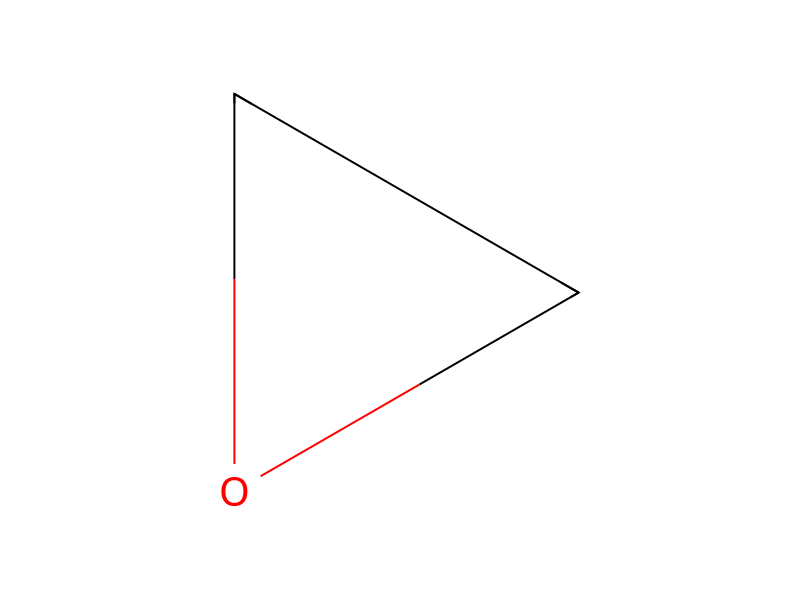

Product 1

Reagents, catalysts & solvents 2


Procedure
The product is dehalogenated as in Example 1C using zinc and acetic acid and the 4-heptylbicyclo[3.2.0]heptan-6-one is converted to the oxirane (Formula I, X=--(CH2)6 --CH3) by the process of Example 2 using dimethylsulfonium methylide at room temperature. By the process of Example 3 there is formed 4-heptylbicyclo[3.3.0]octan-7-one.
Sources & evidence
- ORD record
- ord-76687f2d090e48b6b9347cff2d94278d
- Source dataset
- uspto-grants-1988_03
- Patent number
- US04731458
Reaction notes
Loading…