Pyrimidine → HCID 178516499, compound
Reaction equation

N1C=CC=NC=1.[C:7]([OH:10])(=O)[CH3:8].C(N)=N.[C:14]([C:22]1[N:27]=CC=[CH:24][N:23]=1)(=O)[C:15]1[CH:20]=[CH:19][CH:18]=[CH:17][CH:16]=1>>[OH:10][C:7]1[CH:8]=[CH:24][N:23]=[C:22]([CH2:14][C:15]2[CH:20]=[CH:19][CH:18]=[CH:17][CH:16]=2)[N:27]=1Participants
4



Procedure
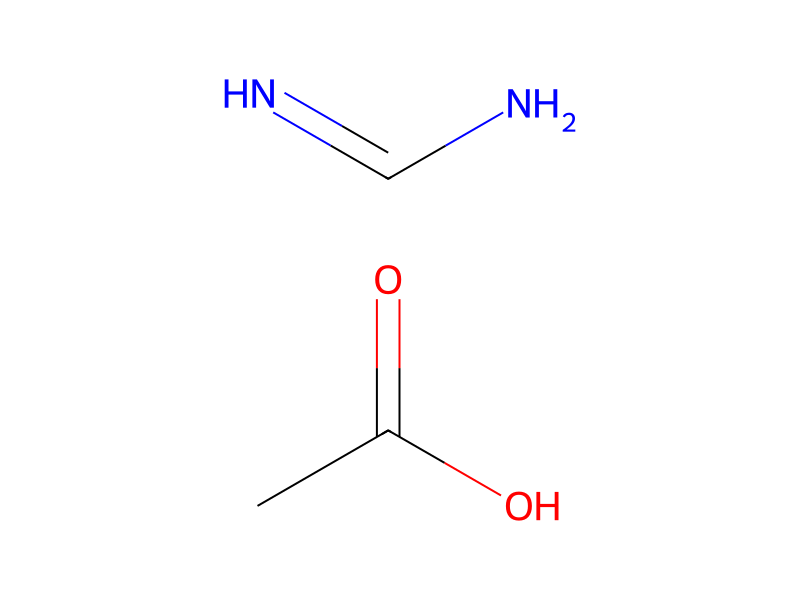
As is discussed PCT publication WO 95/29898, compounds of formula I may be made using the following general procedure. First, a benzoyl chloride is reacted with the magnesium enolate of an appropriate β-ketoester to form a triketo intermediate followed by hydrolysis and decarboxylation to a β-diketone intermediate. The diketone is then converted to the alkoxy methylene or dialkylaminomethylene β-diketone by standard methods. Final ring closure to the pyrimidine is accomplished by heating with formamidine acetate in an alcoholic solvent, followed by reduction of the resulting benzoyl pyrimidine, to produce a hydroxybenzyl pyrimidine compound.
Sources & evidence
- ORD record
- ord-65b553bc365a44e18c9c007780afa36e
- Source dataset
- uspto-grants-1999_07
- Patent number
- US05925795
Reaction notes
Loading…