Sodium borohydride → HCID 21584190, compound
Reaction equation

[CH:1]([N:3]1[CH2:8][CH2:7][N:6]([CH2:9][C:10]2[CH:15]=[CH:14][C:13]([N+:16]([O-])=O)=[CH:12][CH:11]=2)[CH2:5][CH2:4]1)=[O:2].[BH4-].[Na+]>O.O.O.O.O.O.[Ni](Cl)Cl.CO>[CH:1]([N:3]1[CH2:4][CH2:5][N:6]([CH2:9][C:10]2[CH:15]=[CH:14][C:13]([NH2:16])=[CH:12][CH:11]=2)[CH2:7][CH2:8]1)=[O:2]Participants
Reactant 2


Product 1

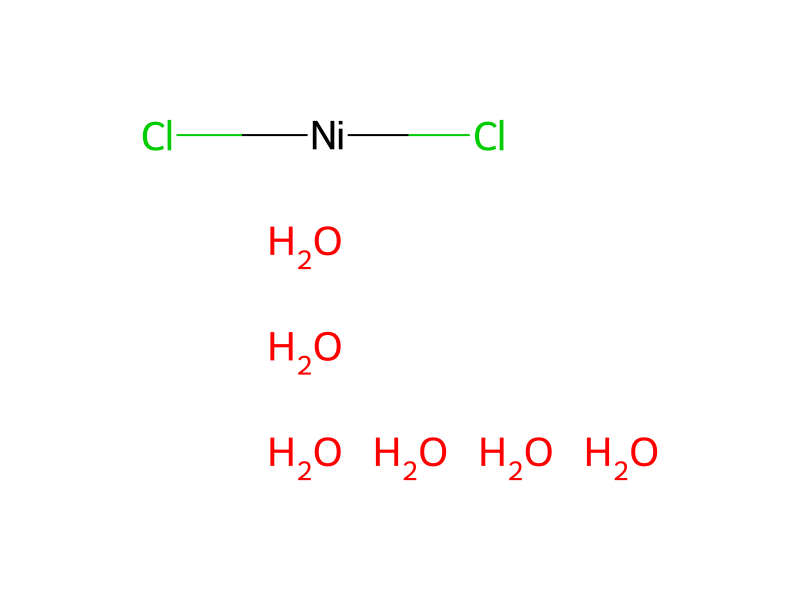
Reagents, catalysts & solvents 2

Conditions
- Temperature
- 0 °C
Procedure
A mixture comprising 9 g of 1-formyl-4-(4-nitrobenzyl)-piperazine, 180 ml of methanol and 14.6 of nickel chloride hexahydrate, was cooled in ice bath, and 4.6 g of sodium borohydride was slowly added thereto. The mixture was stirred at 0° C. for 30 minutes and further at room temperature for 30 minutes. The reaction solution was distilled off under reduced pressure, and the residue was dissolved by an addition of 200 ml of 10% hydrochloric acid, and adjusted to pH 10 with 28% aqueous ammonia. Then, the mixture was extracted with ethyl acetate. The extract solution was washed with a saturated sodium chloride aqueous solution and then dried over anhydrous sodium sulfate. Then, the solvent was distilled off under reduced pressure. The residue was crystallized from diethyl ether to obtain 8.0 g of the above-identified compound as white crystals.
Workup
- temperaturewas cooled in ice bath
- distillationThe reaction solution was distilled off under reduced pressure
- dissolutionthe residue was dissolved by an addition of 200 ml of 10% hydrochloric acid
- extractionThen, the mixture was extracted with ethyl acetate
- washThe extract solution was washed with a saturated sodium chloride aqueous solution
- dry with materialdried over anhydrous sodium sulfate
- distillationThen, the solvent was distilled off under reduced pressure
- customThe residue was crystallized from diethyl ether
Sources & evidence
- ORD record
- ord-347d87ddcd26410eb395be4b1a4718be
- Source dataset
- uspto-grants-1999_07
- Patent number
- US05929074
Reaction notes
Loading…