Phosphorus tribromide → 2-Bromo-6,7-dichloro-3-trifluoromethylquinoxaline
Reaction equation

[Cl:1][C:2]1[CH:3]=[C:4]2[C:9](=[CH:10][C:11]=1[Cl:12])[NH:8][C:7](=O)[C:6]([C:14]([F:17])([F:16])[F:15])=[N:5]2.P(Br)(Br)[Br:19]>>[Br:19][C:7]1[C:6]([C:14]([F:17])([F:16])[F:15])=[N:5][C:4]2[C:9](=[CH:10][C:11]([Cl:12])=[C:2]([Cl:1])[CH:3]=2)[N:8]=1Participants
3
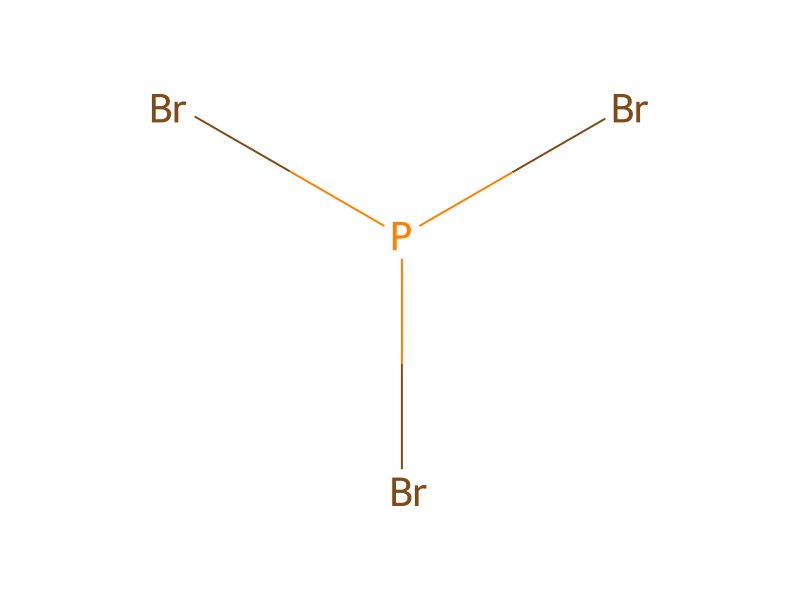


Conditions
- Temperature
- 140 °C
Procedure
6,7-Dichloro-3-trifluoromethyl-1H-quinoxalin-2-one (500 mg, 1.8 mmol) was dissolved in phosphorus tribromide (2.0 ml), and the solution was heated at 140° C. for 16 hours. The reaction mixture was cooled to room temperature, before it was poured out on ice (100 g) and extracted with dichloromethane. The organic phase was separated and dried with anhydrous sodium sulphate, then taken to dryness by rotary evaporation to leave a pale brown powder.
Workup
- temperatureThe reaction mixture was cooled to room temperature, before it
- additionwas poured out on ice (100 g)
- extractionextracted with dichloromethane
- customThe organic phase was separated
- dry with materialdried with anhydrous sodium sulphate
- customtaken to dryness by rotary evaporation
- customto leave a pale brown powder
Sources & evidence
- ORD record
- ord-dc8899de52194adc91c5541aac4ae9ef
- Source dataset
- uspto-grants-2005_08
- Patent number
- US06927214B1
Reaction notes
Loading…