2,2,2-Trifluoroethanol → HCID 69669583, compound
Reaction equation

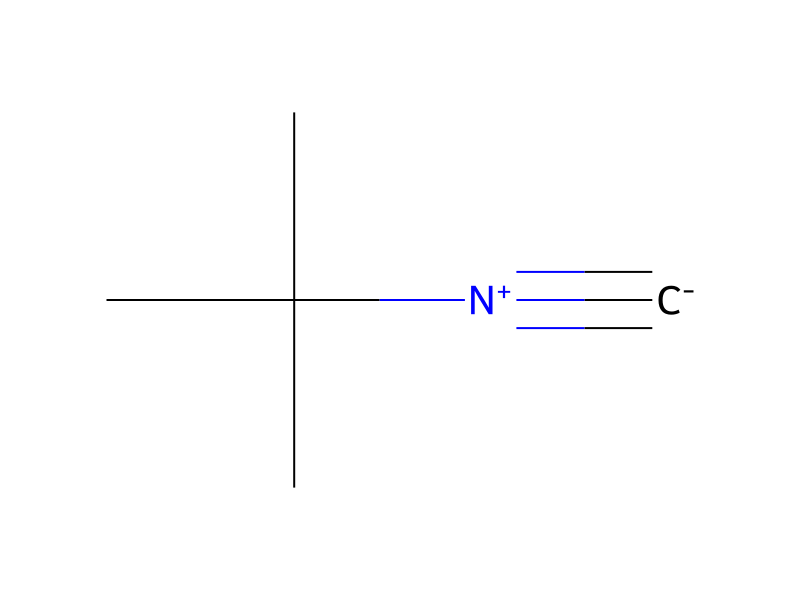
[CH2:1]([CH:4]1[CH2:8][CH:7]([CH2:9][N+:10]([O-:12])=[O:11])[CH2:6][C:5]1=O)[CH:2]=[CH2:3].[C:14]([O-:17])(=O)[CH3:15].[NH4+:18].[C:19]([N+:23]#[C-])([CH3:22])([CH3:21])[CH3:20].FC(F)(F)[CH2:27][OH:28]>ClCCl>[C:14]([NH:18][C@@:5]1([C:27]([NH:23][C:19]([CH3:22])([CH3:21])[CH3:20])=[O:28])[CH2:6][CH:7]([CH2:9][N+:10]([O-:12])=[O:11])[CH2:8][C@@H:4]1[CH2:1][CH:2]=[CH2:3])(=[O:17])[CH3:15]Participants





Procedure
A stirred solution of 2-allyl-4-(nitromethyl)cyclopentanone, mixture of isomers (0.366 g, 2.0 mmol) in 2,2,2-trifluoroethanol (1.5 mL) under nitrogen was treated with ammonium acetate (0.617 g, 8 mmol) and t-butylisonitrile (0.68 mL, 6.0 mmol) and stirred at room temperature for 2 days. The mixture was diluted with dichloromethane (20 mL) and added directly to a silica gel column (˜250 cc) and eluted with 7:3 dichloromethane/ethyl acetate to afford first the two isomers with acetamino and allyl substituents in syn relative geometry, then isomer A (122 mg, 19%) as a white solid, then isomer B (195 mg, 30%) as a white solid. For isomer A: NMR (CDCl3): δ 6.12 (br s, 2 H), 5.65-5.80 (m, 1 H), 5.00-5.15 (m, 2 H), 4.53 (d, J=7 Hz, 1 H), 4.35-4.50 (m, 1 H), 2.80-3.00 (m, 1 H), 2.45-2.60 (m, 1 H), 2.25-2.35 (m, 2 H), 1.90-2.20 (m, 2 H), 2.00 (s, 3 H), 1.20-1.60 (m, 2 H), 1.34 (s, 9 H). MS (M+1): 326.0. For isomer B: NMR (CDCl3): δ 6.05-6.15 (m, 2 H), 5.65-5.80 (m, 1 H), 5.00-5.15 (m, 2 H), 4.43 (d, J=6.5 Hz, 2 H), 2.90-3.10 (m, 2 H), 2.40-2.50 (m, 1 H), 2.20-2.30 (m, 1 H), 2.00 (s, 3 H), 1.70-2.00 (m, 4 H), 1.35 (s, 9 H). MS (M+1): 326.0.
Workup
- additionadded directly to a silica gel column (˜250 cc)
- washeluted with 7:3 dichloromethane/ethyl acetate
- customto afford first the two isomers with acetamino and allyl substituents in syn relative geometry
Sources & evidence
- ORD record
- ord-b6f8f10f108e4f21bf405f593dbc47f7
- Source dataset
- uspto-grants-2016_01
- Patent number
- US09233985B2
Reaction notes
Loading…