Water → Ubiquinol 10
Reaction equation

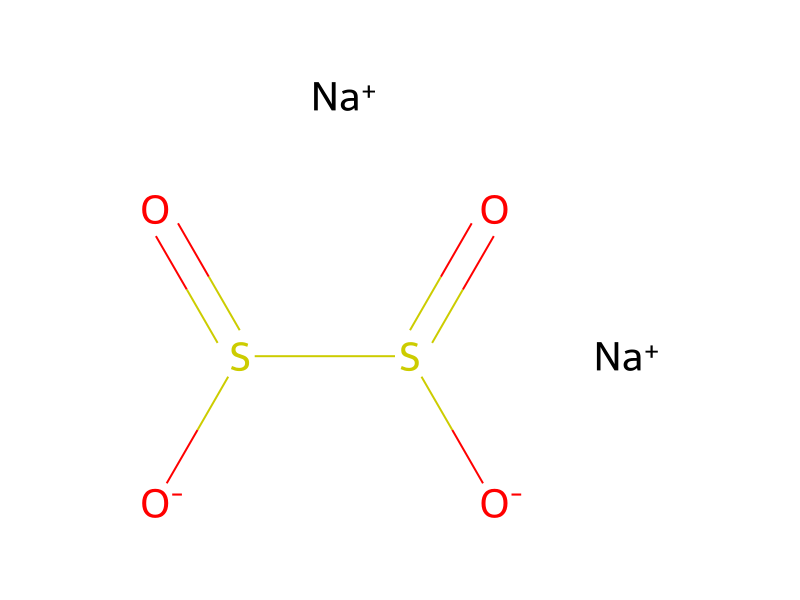
[CH3:1][C:2]1[C:8](=[O:9])[C:7]([O:10][CH3:11])=[C:6]([O:12][CH3:13])[C:4](=[O:5])[C:3]=1[CH2:14]/[CH:15]=[C:16](/[CH2:18][CH2:19]/[CH:20]=[C:21](/[CH2:23][CH2:24]/[CH:25]=[C:26](/[CH2:28][CH2:29]/[CH:30]=[C:31](/[CH2:33][CH2:34]/[CH:35]=[C:36](/[CH2:38][CH2:39]/[CH:40]=[C:41](/[CH2:43][CH2:44]/[CH:45]=[C:46](/[CH2:48][CH2:49]/[CH:50]=[C:51](/[CH2:53][CH2:54]/[CH:55]=[C:56](/[CH2:58][CH2:59][CH:60]=[C:61]([CH3:63])[CH3:62])\[CH3:57])\[CH3:52])\[CH3:47])\[CH3:42])\[CH3:37])\[CH3:32])\[CH3:27])\[CH3:22])\[CH3:17].O.S(S([O-])=O)([O-])=O.[Na+].[Na+]>CCCCCCC>[CH3:1][C:2]1[C:8]([OH:9])=[C:7]([O:10][CH3:11])[C:6]([O:12][CH3:13])=[C:4]([OH:5])[C:3]=1[CH2:14]/[CH:15]=[C:16](/[CH2:18][CH2:19][CH:20]=[C:21]([CH3:23])[CH3:22])\[CH3:17].[CH3:1][C:2]1[C:8](=[O:9])[C:7]([O:10][CH3:11])=[C:6]([O:12][CH3:13])[C:4](=[O:5])[C:3]=1[CH2:14]/[CH:15]=[C:16](/[CH2:18][CH2:19]/[CH:20]=[C:21](/[CH2:23][CH2:24]/[CH:25]=[C:26](/[CH2:28][CH2:29]/[CH:30]=[C:31](/[CH2:33][CH2:34]/[CH:35]=[C:36](/[CH2:38][CH2:39]/[CH:40]=[C:41](/[CH2:43][CH2:44]/[CH:45]=[C:46](/[CH2:48][CH2:49]/[CH:50]=[C:51](/[CH2:53][CH2:54]/[CH:55]=[C:56](/[CH2:58][CH2:59][CH:60]=[C:61]([CH3:63])[CH3:62])\[CH3:57])\[CH3:52])\[CH3:47])\[CH3:42])\[CH3:37])\[CH3:32])\[CH3:27])\[CH3:22])\[CH3:17]Participants
Reactant 3


Product 2

Reagents, catalysts & solvents 1

Conditions
- Temperature
- 2 °C
Procedure
In 1,000 g of heptane, 100 g of ubiquinone (product of Kaneka Corporation) was dissolved at 25° C. Under stirring (stirring power: 0.3 kW/m3), an aqueous solution prepared by adding 1,000 ml of water to 100 g of sodium dithionite (purity: 75% or higher) was gradually added as a reducing agent and the reduction reaction was carried out at 25° C. and pH 4 to 6. After the lapse of 2 hours, the aqueous layer was removed from the reaction mixture and the heptane layer was washed 6 times with 1,000 g of a degassed saturated saline. This heptane layer was cooled to 2° C. under stirring (stirring power: 0.3 kW/m3) to give a white slurry. The whole of the above operation was carried out under a nitrogen atmosphere. The slurry obtained was filtered under reduced pressure and the obtained wet crystals were washed serially with cold heptane, cold ethanol, cold water, cold ethanol, and cold heptane in that order (the temperature of each cold solvent used for washing was 2° C.). The wet crystals were then dried under reduced pressure (20 to 40° C., 133 to 400 Pa) to recover 93 g of white dry crystals (yield: 92.8 mole %, purity: 99.3%). The ubiquinol/ubiquinone ratio of the product crystals was 99.6/0.4. As analyzed by HPLC in the conventional manner, the steric configurations of both the ubiquinol and ubiquinone obtained were (all-E)-isomers.
Workup
- stirring(stirring power: 0.3 kW/m3)
- customan aqueous solution prepared
- additionwas gradually added as a reducing agent
- customthe reduction reaction
- customwas carried out at 25° C.
- customAfter the lapse of 2 hours, the aqueous layer was removed from the reaction mixture
- washthe heptane layer was washed 6 times with 1,000 g of a degassed saturated saline
- stirringunder stirring
- stirring(stirring power: 0.3 kW/m3)
- customto give a white slurry
- customThe slurry obtained
- filtrationwas filtered under reduced pressure
- washthe obtained wet crystals were washed serially with cold heptane, cold ethanol, cold water, cold ethanol, and cold heptane in that order (the temperature of each cold solvent
- washfor washing
- customwas 2° C.
- customThe wet crystals were then dried under reduced pressure (20 to 40° C., 133 to 400 Pa)
- customto recover 93 g
- customof white dry crystals (yield: 92.8 mole %, purity: 99.3%)
Sources & evidence
- ORD record
- ord-d3bcf5266303472aa2819e7299792bc9
- Source dataset
- uspto-grants-2011_03
- Patent number
- US07897169B2
Reaction notes
Loading…